
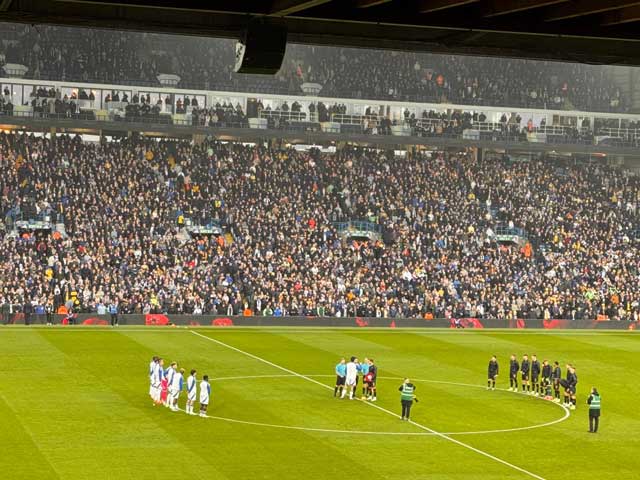
Football's Entertainment World Extends Past the Pitch
Ninety minutes on the pitch used to be the whole show. That is no longer the case. Fans now spend just as much time engaged with football through apps, fantasy leagues, and second screen content as they do watching the actual match. The sport has grown into a much wider entertainment world.
Second Screen Habits Change How Fans Watch
Most fans do not just sit and watch anymore. A second screen, usually a phone, runs alongside every match. Stats, live scores from other games, group chats, and quick entertainment apps all get checked during breaks in play. Ivy Casino is one example of the kind of app fans might open during halftime, treating it as a bit of extra entertainment layered on top of the match itself.
This stays entirely digital, accessed through a phone or laptop rather than any physical setting. It fits into the same category as checking fantasy scores or reading match commentary, just another tab open during the game.
Halftime Has Become Its Own Window
Halftime used to mean a quick snack refill and a bathroom break. Now it doubles as a short window for catching up on other games, checking notifications, or squeezing in a quick round of something unrelated to football entirely.
Highlight Clips for Missed Matches
Not every fan has ninety minutes to spare. Short highlight clips on social media let people follow their team without watching a full match. This has become a major way younger fans stay connected to football, often catching more clips than actual games during a busy week.
Fantasy Leagues Keep the Fandom Fed
Fantasy football turned casual viewers into people who track player minutes across a dozen matches a week. Building a squad, managing transfers, and checking gameweek scores has become a season-long habit for millions of fans.
- Weekly squad selection based on fixtures
- Transfer decisions tied to player form
- Mini leagues among friends and coworkers
- Live score tracking during multiple matches at once
This turns watching into something more active. Fans stop just supporting one team and start following the wider league for fantasy reasons alone.
eSports Is Bringing New Younger Audience
Football clubs have leaned into esports over the past several years, running competitive gaming teams under their own badge. Younger fans who may never attend a live match still follow their club through gaming tournaments and streamed matches on platforms built around video game competition.
Here is how football-related entertainment breaks down by fan activity type:
| Activity Type |
Typical Platform |
Peak Engagement Time |
Primary Fan Age Group |
|
Fantasy leagues |
Mobile app or website |
Pre-match and post-match |
Broad, all ages |
|
Second screen apps |
Mobile phone |
During live matches |
18-34 |
|
Esports viewing |
Streaming platforms |
Evenings, weekends |
Under 25 |
|
Highlight clips |
Social media |
Post-match |
Broad, all ages |
Each format pulls in a slightly different crowd, but they all sit under the same wider football fan culture.
Digital Ecosystems Are Now Built Around Fans’ Habits
Clubs have noticed all of this and built apps and platforms that try to hold onto fan attention outside matchday. News, player content, fantasy tie-ins, and second screen features often live inside one club app now, rather than being scattered across different sites.
Football Fandom Now Lives Across Many Platforms
None of this replaces the match itself, and most fans still see the ninety minutes as the main event. What has changed is everything happening around it. Fantasy leagues, second screens, esports, and short clips have all become normal parts of following football, stretching fan engagement well past kickoff and full time, and giving people more ways to stay connected to the sport between actual matches than existed even a decade ago.