
UK Stadiums: The History of Floodlights in British Football
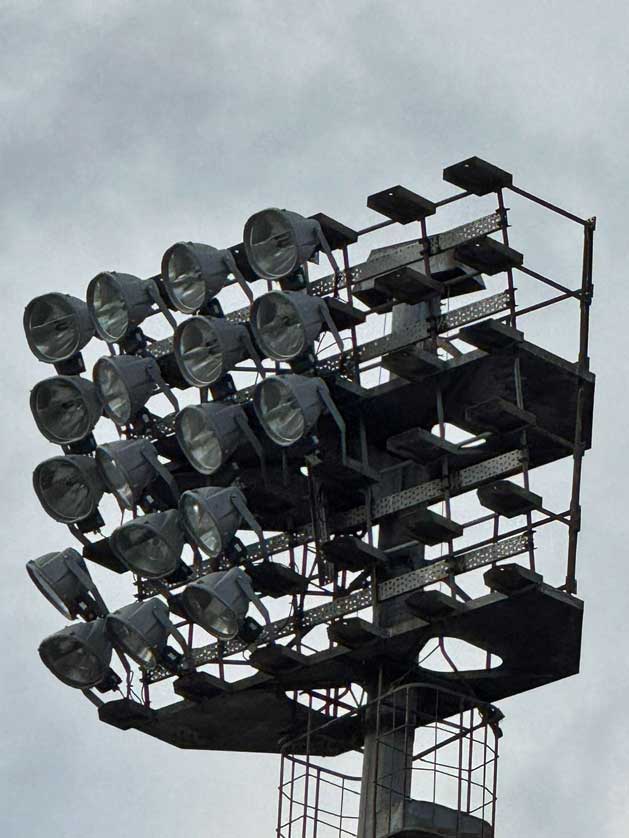
The introduction of floodlights in British soccer stadiums revolutionized the game, allowing for evening matches and dramatically improving the viewing experience for spectators and those who could now watch in the comfort of their own homes on TV. The journey from rudimentary lighting experiments in the 19th century to the sophisticated LED floodlighting systems of today spans well over a century.

History - Early Experiments (19th - Early 20th Century)
The first recorded use of artificial lighting in British football occurred in the late 19th century. In October 1878, Bramall Lane in Sheffield hosted an exhibition match under electric arc lamps powered by a generator. However, the lighting was inconsistent and unreliable, making it unsuitable for competitive matches.
Further attempts were made sporadically in the early 20th century, but the Football League remained reluctant to sanction floodlit games. The concerns included fairness, the potential for technological failure, the reluctance to alter traditional match schedules and even the belief that 'evening football would keep working men from the family home.' [1]
Clubs also worried about losing fans to other sports that took place in the evening under temporary lights such as greyhound racing.
Overseas floodlighting had been introduced in the the USA for baseball in the 1930s, Amsterdam's Olympic Stadium had lights in 1934 supplied by Philips Electrical Company [2] and non-league South Liverpool had temporary lights at their Holly Park ground, in late 1949.



Post-War Adoption and First Official Matches (1950s)
Floodlighting gained serious traction in the 1950s, driven by improvements in technology spurred by World War II and a growing appetite for evening fixtures, which could attract larger crowds after working hours. Portsmouth's Fratton Park was among the first stadiums to install permanent floodlights in 1956. However, several clubs had already been experimenting with evening friendlies before this. Wolves used floodlights at Molineux in 1953 playing friendly fixtures under lights against Honved, Spartak and Moscow Dynamo. Hibs in Scotland played a European Cup game in 1955 under floodlights.
In 1950, The Dell in Southampton became the first ground in England to have permanent floodlighting installed. The first game played under the lights was on 31 October 1950, in a friendly against Bournemouth & Boscombe Athletic.
The first official Football League match under floodlights took place on February 22, 1956, at Portsmouth's Fratton Park, when the home side faced Newcastle United. This was a pivotal moment, as it demonstrated that night-time football was viable and therefore profitable for clubs and TV. Many football clubs soon followed suit, installing floodlights to capitalize on the increased flexibility for scheduling games.
Aberdeen installed floodlights at their Pittodrie Stadium in 1959, Stockport County's Edgeley Park had them even earlier in 1956 followed by Manchester United's Old Trafford in 1957.
The first international game to be played under floodlights was England v Spain in 1955 at the old Wembley Stadium [3].
Expansion and European Impact (1950s - 1970s)
As British teams began participating in European club competitions like the European Cup (now the Champions League), floodlights became a necessity. UEFA mandated evening kick-off times to accommodate continental audiences, making floodlighting essential for clubs aiming to compete internationally.
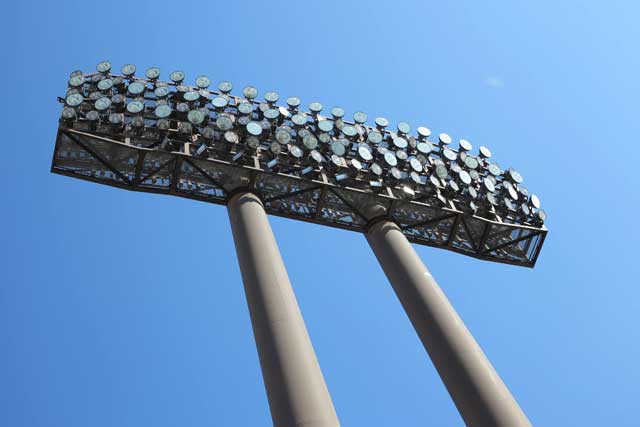
By the late 1960s, most major English and Scottish stadiums had floodlights, and night matches became common across all divisions. The new lighting systems also allowed for midweek domestic competitions, including the League Cup and later televised matches.
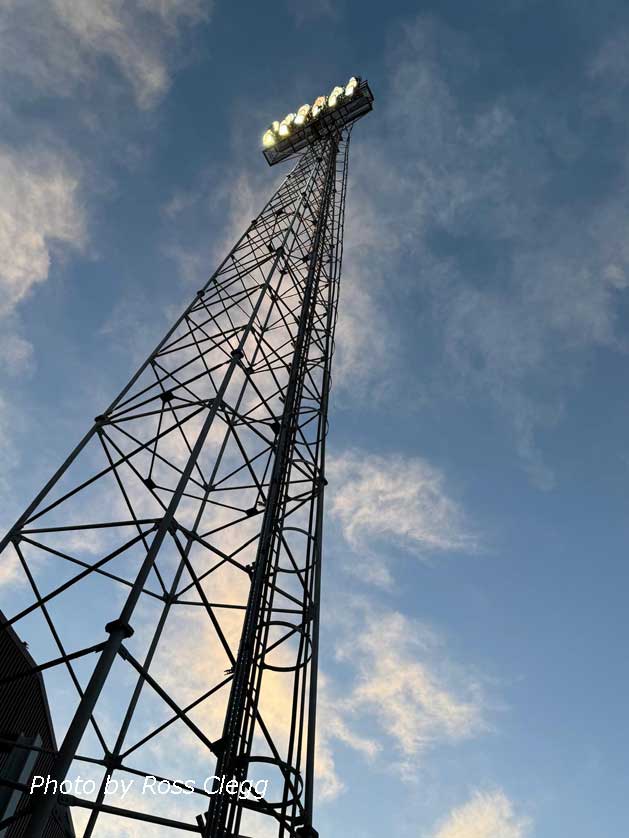
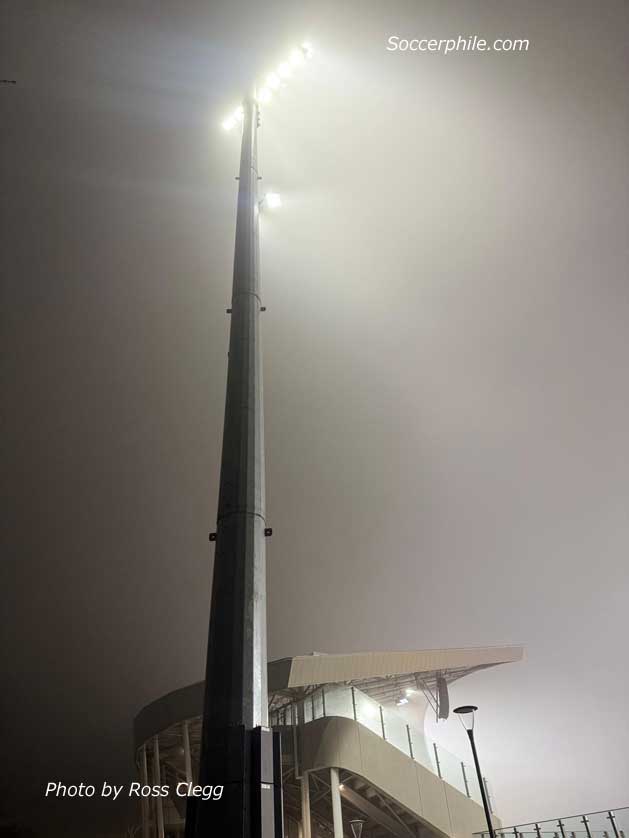
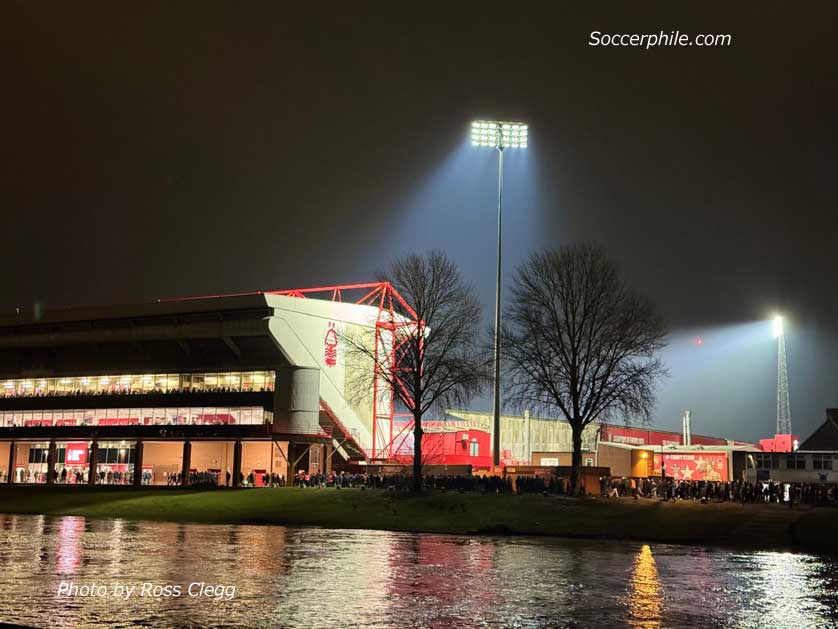
The standard installation of the lights (supplied by GEC) was on towering 100 feet-high pylons, which are now gradually disappearing in modern stadiums, replaced by more cost-effective, low-energy LED lights mounted in the roofs of stands. These huge lighting systems once helped fans navigate to the ground in the dark as well as blinding road users in the vicinity.

Technological Advancements (1980s - Present)
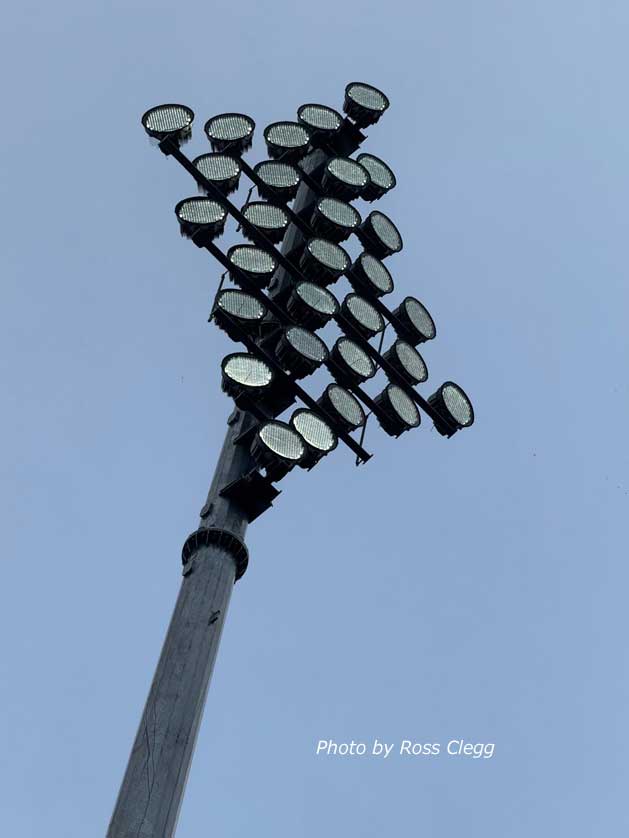
From the 1980s onwards, floodlight technology improved dramatically, with high-intensity metal halide lamps replacing older tungsten systems on pylons. The introduction of LED floodlights in the 2010s further enhanced visibility while reducing energy consumption.
Premier League and Football League regulations now require clubs to maintain a minimum level of luminance for broadcasting purposes. Modern floodlights also include programmable systems that can adjust brightness and even create light shows before matches.

Legacy and Cultural Impact
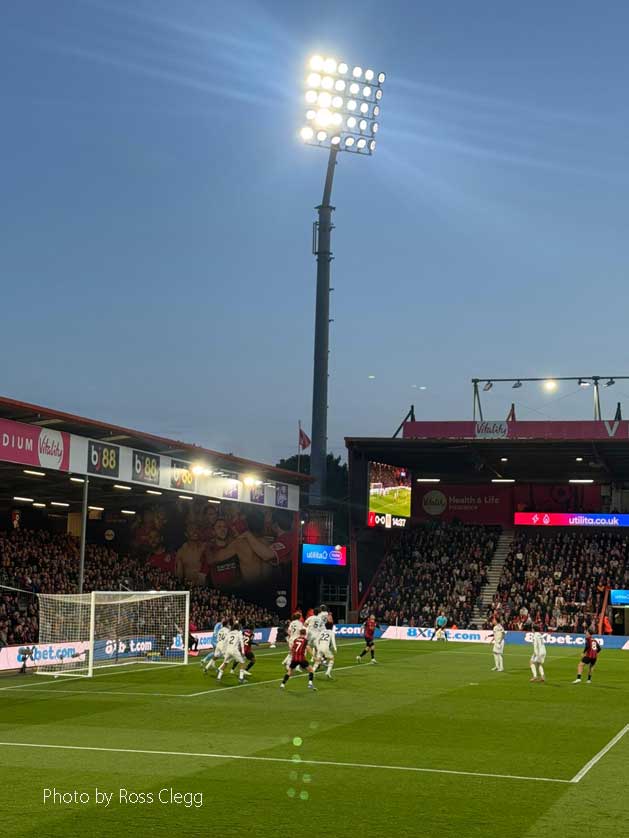
Floodlit matches have become a staple of British football culture, from historic European nights at Anfield and Old Trafford to dramatic FA Cup replays. The glow of the lights against the evening sky is now an iconic image of the sport, marking a significant shift from its daytime-only origins.
The introduction of floodlights not only modernized British football but also expanded its accessibility, transforming the game into the global spectacle it is today.

References
[1] A Brief History of Floodlights - The Away Section
[2] Traditional floodlights are a sad casualty of modern stadiums - When Saturday Comes
[3] The FA Used to Oppose the Use of Floodlights in Football - Football Stadiums
UK Stadiums
Kirklees Stadium (John Smith's Stadium)
Gallery
©Soccerphile.com
Buy tickets for soccer matches around the world