
Asian Cup: And Breathe - Five Things We Learned From The Asian Cup Group Stage
Paul Williams

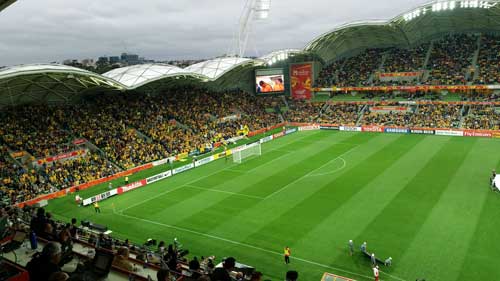
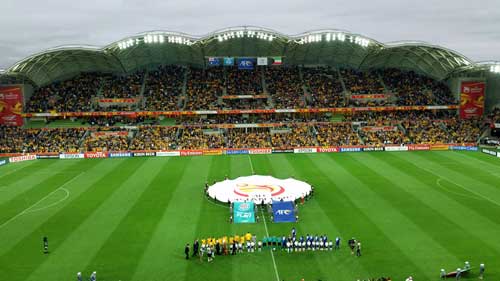
It's been a breathtaking 12 days since the AFC Asian Cup kicked off in front of a sold-out crowd in Melbourne as the hosts' kick started their campaign in the best possible fashion.
The following 12 days have seen 23 games with zero draws, great goals, pitch problems and the emergence of a number of new stars.
With the group stage now complete we look back at the talking points and just what we've learnt from the first 24 games.
Australia has embraced the Asian Cup
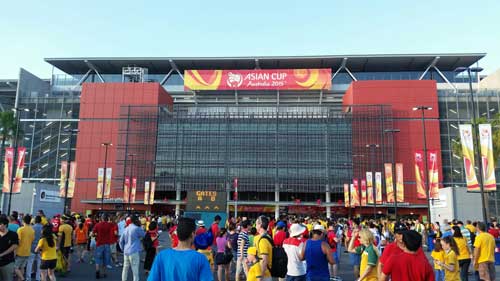
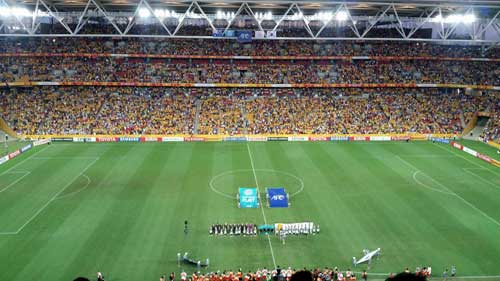
Before the tournament started there were plenty of nervous folks at the LOC pondering one simple question - will the crowds turn up? Incredibly it wasn't until the day of the game that the opener between Australia and Kuwait sold out. An ominous sign? They needn't have worried. Just under 400,000 have attended the 24 group stage matches for an average of just over 16,000, more than smashing expectations. The vibrancy and colour in the stands has been a highlight and leading the charge has been the impressive Iranians. With the finals about to get started there is optimism that maybe, just maybe, attendances could break through the 700,000 barrier, more than smashing the target of 500,000.
Brisbane Stadium needs a new curator
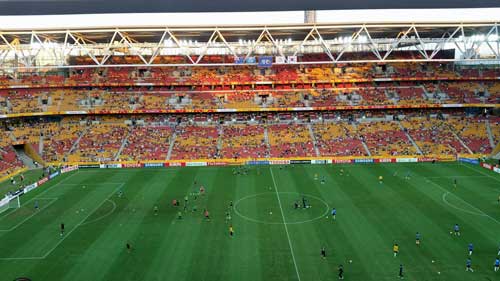
One of the few negatives to strike over the first two weeks has been the state of the pitch at 'Brisbane Stadium'. The signs weren't good when a large section of the midfield area was replaced just one week before the tournament began and it hasn't improved since. The LOC insist the surface is 'playable', but almost every team that has played on the surface has criticised it. There can be no excuses. Neither Rugby code has played on the ground in months, and the stadium has been aware of this tournament for four years. They've had ample time to prepare, plan and perfect the surface. They've failed dismally.
Gulf Cup form counts for little
Qatar came into this Asian Cup as the most in-form nation in the AFC, coming off a stellar 2014 in which they won the WAFF and Gulf Cup titles and their U19 side were crowned Asian champions. Many had them pegged as a dark horse and expected them to challenge with Iran and UAE in Group C. They leave without a win and with just two goals to their name. Not since 2000 has the defending Gulf Cup champion made it past the group stage (and in that case Kuwait won the Gulf Cup almost a full two years before the Asian Cup) and in the now four Asian Cups since, the reigning Gulf Cup champion has won only one out of 12 games - UAE's 2-1 win over Qatar in 2007.
China showing signs of life
It's too premature to get carried away at this stage, but the one genuine surprise for a lot of people has been the form of China. In Group B, one judged to be a 'Group of Death', many didn't give them a hope. I wasn't one of those people, however, although I had them finishing second in the group with two wins and a draw. In the 11 months since Alain Perrin has taken over he has overseen a rejuvenation of the side, introducing young talent and instilling a strong sense of confidence and resilience. They're now on a 13-match unbeaten run and are showing the benefits of the recent investment in the CSL, displaying a greater tactical nous than previous Chinese sides, a side effect of the investment in foreign coaches by many CSL clubs, particularly coaches of the calibre of Marcello Lippi and ex-Serbia boss Radomir Antic.
There is plenty of talent in Asia
Those who pay close attention to Asia have known it for some time, but for those getting their first taste of Asian football will now realise that there are a number of genuine talents across the continent. Many are well known - think Keisuke Honda - but many are not. At least they weren't. Omar Abdulrahman, Ali Mabkhout, Sardar Azmoun, Sardor Rashidov, Nawaf Al-Abid and Yaser Kasim are just a few that have made an impact in the opening two weeks. Then, of course, there are established players who have reminded us again just how good they are - think the likes of Ki Sung-yueng and Ashkan Dejagah. With most of those players involved in the finals, the stage is theirs to really announce themselves as the next Asian superstar.
Asian Cup
The Asian Cup is the Asian Football Confederation's premier international tournament and is now held every four years.
The 2015 Asian Cup takes place in Australia.
The winner of the Asian Cup takes part in the Confederations Cup.
Buy tickets for soccer matches around the world