

For all the concerns and non-football issues surrounding the tournament in the run-up to the first ball being kicked, World Cup 2026 surely has to be considered a success. Some pundits criticized the expansion of the competition to 48 teams, complaining that it would dilute the level of football on display, while visa problems for the officials, fans, and even the teams themselves threatened to ruin the event.
But as we near the end of football's most prestigious international tournament, it is clear that the football on show has been exhilarating, with shock results, stunning goals, and a whole host of feel-good stories proving that the World Cup is really all about celebrating the game and bringing fans from different places together.
The fans have certainly enjoyed their time in North America. Whether it is getting behind their teams, enjoying the culture of the host nations, or even backing their favorites using the Bovada mobile betting app, their experiences will live long in the memory. Many fans have been blown away by the stadiums used for the tournament, so we thought we would highlight the very best of the 16 used at the 2026 FIFA World Cup.
Estadio Azteca, Mexico City
This is where the tournament kicked off way back on June 11th, and the atmosphere was electric for every one of the five games it's hosted. Co-host Mexico played two of their three group games there, as well as their round of 32 and round of 16 knockout ties. Colombia also called the Azteca home for one of their early group games.
This is a stadium with history, of course. It has been used for three different World Cups now, with Brazil's 1970 triumph and Diego Maradona's demolition of England in 1986 standing out. Praised for its authentic football feel and passionate fans, whoever are playing, the Azteca has proven again that it is one of the best places in the world to watch football.
AT&T Stadium, Arlington
Our next World Cup stadium could not be more different from the Azteca. Costing over $1 billion to construct, it was only opened in 2009 and is as futuristic and modern as the Azteca is traditional. Over 70,000 fans have packed in to watch each of the games during this World Cup, and it will end up hosting the most of any stadium for the tournament.
The sheer vastness of the stadium's footprint has astounded football fans more used to stadiums located in city centers, while the retractable roof and air conditioning system has proved invaluable in the heat of the Texan summer. The games there have been memorable enough, but many fans have said that they have ended up watching the big screens more than usual, which is understandable as they are some of the biggest in the world.
SoFi Stadium, Los Angeles
Another futuristic venue that has impressed World Cup fans is the SoFi Stadium in Inglewood, California, part of the greater Los Angeles area. It will have hosted eight games by the time the tournament ends, with the US kicking off its own finals in style there when it beat Paraguay 4-1.
Another co-host, Canada, played its round of 32 tie against South Africa at the SoFi Stadium, a place that is usually home to two NFL teams, the Rams and the Chargers. The technology on display has, once again, been a major factor in why this venue has been so highly rated.
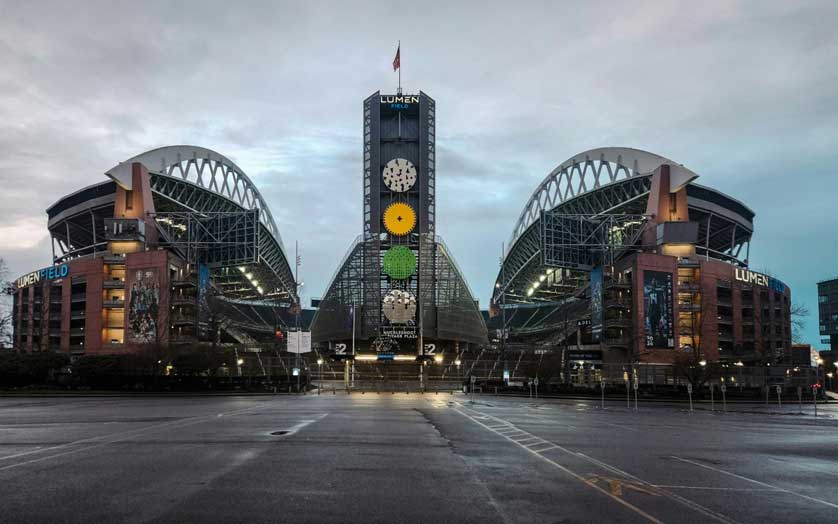
Lumen Field, Seattle
Although all the US stadiums used for this World Cup are home to NFL teams, they have all been adapted to perfectly showcase "the beautiful game", and part of their appeal to football fans is that they are completely unique in design. That is something that is found less and less these days, and the fans have definitely taken notice.
Seattle is a football hotbed in the US, and the six games played there have all been sold out and thoroughly enjoyed. Most memorable were Belgium's incredible comeback to beat Senegal in the round of 32 and their thrashing of the US a round later, dashing the hopes of millions of home fans across the country.
Estadio BBVA, Monterrey
If you want to enjoy a stunning view at the same time as watching a World Cup game, you surely couldn't do better than the Estadio BBVA in Monterrey, Mexico. Home of the local Liga MX side, this venue only hosted four games but produced 13 goals as well as a thrilling penalty shootout in the round of 32 between the Netherlands and Morocco.
The football was obviously of the highest standard, but it is the aesthetics of this stadium that really help it stand out from the crowd. Located at the base of the Cerro de la Silla, the views of the stunning mountain might have been distracting for some if the talent on show was not so captivating.
BMO Field, Toronto
Our final top-rated World Cup stadium was the smallest used at this tournament, but its traditional football structure and design were as welcome as the local Canadians who helped make this competition so memorable. BMO Field is used for Canadian Football as well, but it seems to be specifically built for soccer. Co-host Canada played one of its group games here, and teams such as Senegal and Germany also enjoyed the experience along the way. Most memorable was probably Portugal's round of 32 win over a Croatia team that was denied a last-minute goal. As with every other venue used at this World Cup, it has been the atmosphere the stadium has produced that is something that will never be forgotten.