
Brazil Football League Structure

The Brazilian football league system is unique because it operates on two simultaneous, independent pyramids: the National Leagues (organized by the Brazilian Football Confederation, CBF) and the State Championships (organized by individual state federations). Clubs typically compete in both systems concurrently.
The National Leagues (The Brasileirão Pyramid)
This is the main nationwide ladder we all know, broken down into four tiers connected by promotion and relegation:
Série A: The absolute top-tier heavyweight division. 20 teams play a grueling double round-robin (38 games), fighting to avoid the bottom four relegation spots or snag a coveted spot in continental play.
Série B: The second tier. It's an absolute slugfest featuring massive historical clubs trying to climb out of the basement alongside ambitious smaller teams. Top four go up, bottom four drop.
Série C: Tier three, bridging the gap between full-blown national powerhouses and regional clubs, featuring group stages and playoffs. Four up, four down.
Série D: The grand entry gate to national football for smaller clubs, pulling in 68 teams based on how they did in their local regions.
The State Championships (Campeonatos Estaduais)
Because Brazil is massive and traveling across the country used to be a nightmare, state leagues actually came before the national league. Every single state runs its own separate championship, usually happening early in the year (January to April).
The Heavyweights: While every state has one, the most famous ones are absolute bloodbaths of local rivalry:
Paulista (São Paulo): Home to giants like Palmeiras, Corinthians, São Paulo, and Santos.
Carioca (Rio de Janeiro): Featuring Flamengo, Fluminense, Vasco, and Botafogo.
Mineiro (Minas Gerais): Ruled by Atlético Mineiro and Cruzeiro.
Gaúcho (Rio Grande do Sul): Showcasing Grêmio and Internacional.
Why it Matters: For the big clubs, it's basically high-intensity pre-season and bragging rights. But for smaller clubs that don't have a national league spot, these state tournaments are literally their entire professional season.
The Knockout Cups
On top of all those league matches, you also have massive cup tournaments running concurrently:
Copa do Brasil: The ultimate domestic knockout tournament bringing together over 90 clubs from both national divisions and top state leagues for a fast track to continental glory.
Regional Cups: Tournaments like the Copa do Nordeste or Copa Verde that throw regional rivals against each other early in the year for extra trophies and cash.

Stadiums in Brazil
Estadio do Maracana in Rio de Janeiro
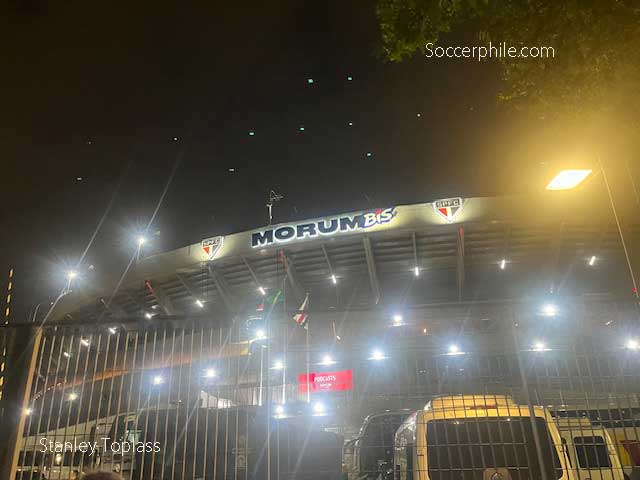
Estadio do Morumbi, Sao Paulo Brazil
The 12 World Cup stadiums for Brazil 2014
Football in Brazil
Copa Libertadores Final 2020 Palmeiras v Santos - Palmeiras win an all-Brazilian affair 1-0.
Palmeiras seem likely to drop into Serie B in 2012.
Paul Tobbit previews the new Brazilian National Championship.
The best young Brazilian talent includes Douglas Costa, Neymar, Keirrison and Hernanes.
Ronaldo makes a new start at Corinthians.

Brazil Travel
Bonito - an eco-tourism center in the western Brazilian state of Matto Grosso do Sul.
Pantanal - home to a population of jaguars and the largest continental wetland in the world.
São Paulo architecture - this vast city has some of South America's most striking architecture.
Rio's economy - growth and investment continue to climb ahead of the 2014 World Cup & the 2016 Olympics.
Things to do in São Paulo, the biggest city in size in Brazil, for visiting soccer fans.
Buy tickets for soccer matches around the world