
Nagoya City Minato Soccer Field, Nagoya, Aichi Prefecture

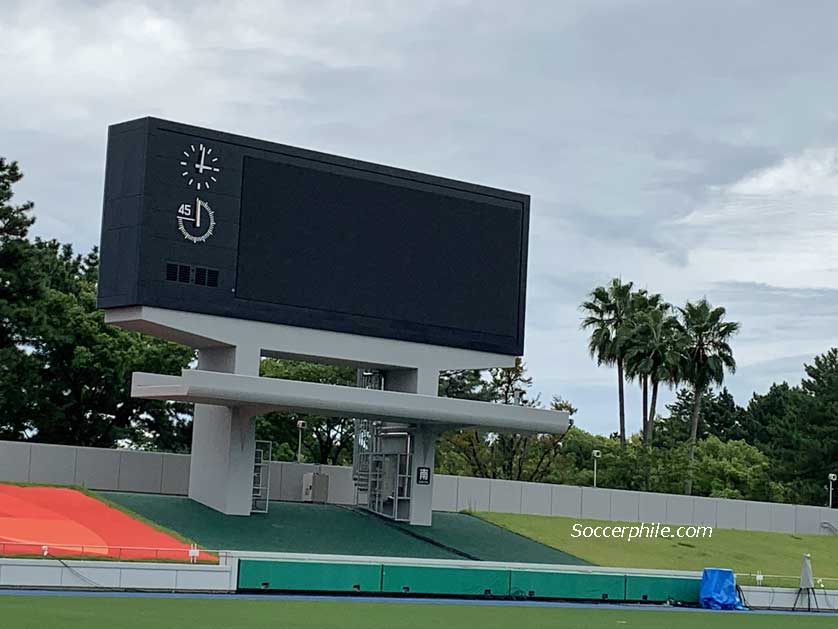
Nagoya City Minato Soccer Field in Nagoya, Aichi Prefecture, central Japan is a municipally-owned venue near Nagoya Port. It is known for sponsorship reasons as CS Asset Minato Soccer Stadium (CSアセット港サッカー場).
Asian Games 2026
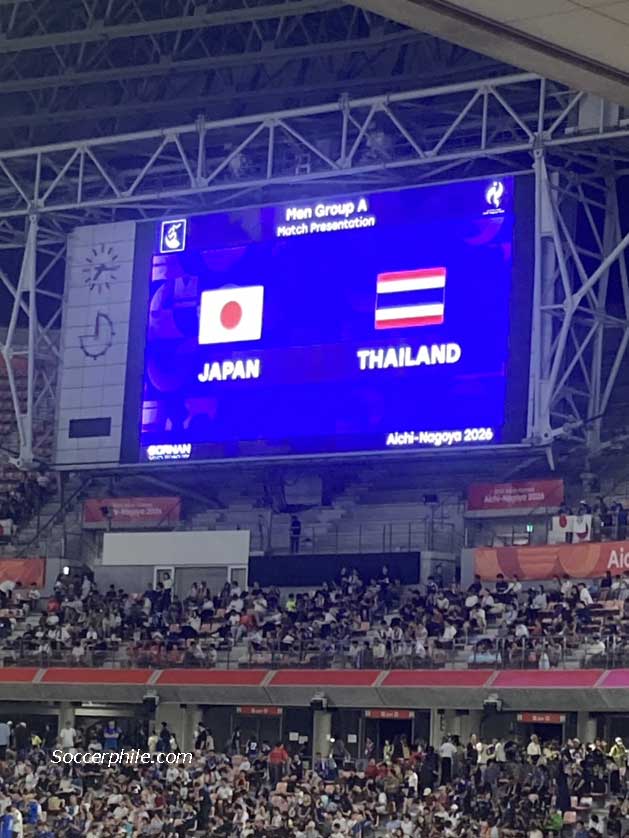
The venue staged three Group C matches at the 2026 Asian Games. These were Uzbekistan 5 vs Philippines 1, Philippines 0 vs Vietnam 2 and Philippines 2 vs Kuwait 1.
Other stadiums used during the soccer competitions at the 2026 Asian Games were Toyota Stadium, Nagai Stadium in Osaka, Shizuoka Stadium Ecopa, Gifu Nagaragawa Stadium, Nagoya City Mizuho Park Rugby Field and Wave Stadium Kariya.
South Korea won the men's tournament defeating Japan 1-0 in the final at Toyota Stadium. Japan won gold in the women's competition defeating North Korea 5-3 on penalties after a 2-2 draw at Ecopa.
History & Capacity
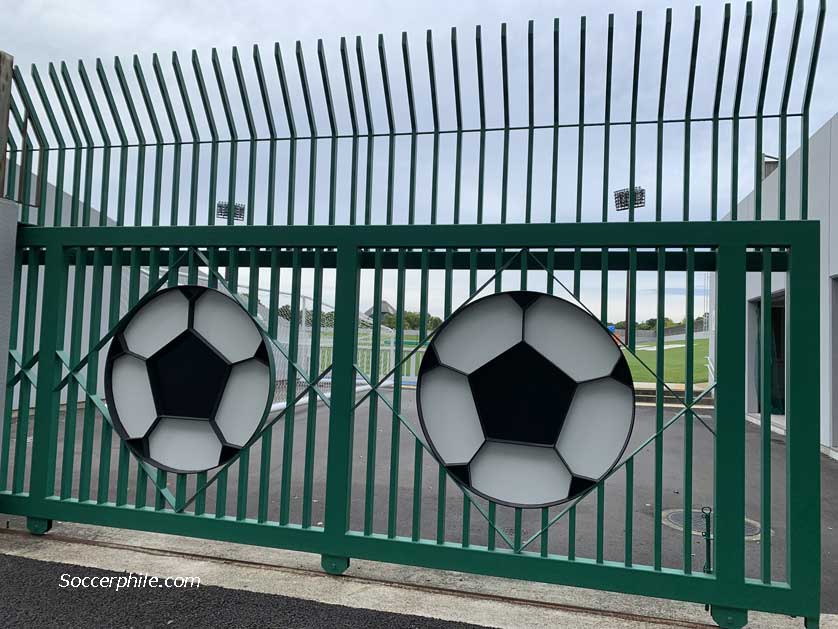
The 20,000 capacity stadium was built in 1993 as a football venue for the 49th National Sports Festival (Wakashachi National Sports Festival). It hosts Aichi Prefecture football competitions, various Japan Football League matches and local tournaments, while also accommodating rugby and American football.
Its opening match was a 1993 J.League Cup fixture involving Nagoya Grampus. In 1994 Grampus entertained Sanfrecce here with the club returning for a Levain Cup playoff against Kyoto Sanga in 2022 while Mizuho Stadium was being renovated.

The ground is also used by FC Maruyasu Okazaki on occasion and remains an important venue for regional football. Due to nearby public housing, drums, trumpets, megaphones and other noisy cheering equipment are prohibited by agreement with local residents.
Besides soccer the stadium has been used for American football, rugby, lacrosse and other events.
Accessibility
The venue features excellent wheelchair accessibility following its major multi-step barrier-free renovation for the 2026 Asian Games completed in November 2025. The stadium was modernized to meet international competition standards, making it fully accessible from transport routes to seating areas. The facility includes a dedicated calm-down room, tactile paving guide blocks spanning from the entrance to the reception, and multi-purpose barrier-free toilets. The stadium also features wheelchair-accessible parking spaces.

Access - Getting There
The stadium is about 15 km south of Nagoya Station which is connected by Tokaido Shinkansen to Tokyo, Kyoto and Osaka.
To get to the stadium from Nagoya Station take the Aonami Line to Noseki Station (20 minutes) from where it is a 5-7 minute walk.
Several buses also stop at Noseki Station including the Kan-Tsukiji 1 from Nagoya Port Ferry Terminal, Minato Ward Office and Nagoya Port. The Kanayama 25 bus runs from Kanayama Station on the Meijo subway line to Noseki Station. The Kan-Meieki 2 bus runs from Nagoya Station Bus Terminal to Noseki Station. The Takahata 13 connects Hatta Station with Noseki Station.
Address: 4-11-12 Noseki, Minato-ku, Nagoya-shi, Aichi 455-0845
Tel: 052-384-0550
Nearby Hotels
Nagoya Station (Meieki) and the entertainment area of Sakae offer a wide choice of places to stay in Nagoya.
Choose from the Mitsui Garden Hotel Nagoya Premier, Hotel Unizo Nagoya Ekimae or the more budget Hotel Mystays Nagoya Nishiki. In the Yagoto area near Mizuho Stadium is the The Strings Hotel Yagoto Nagoya.
Nagoya Guide
Nagoya, a large industrial sprawl, is far from being Japan's most attractive city. However, attractions include Nagoya Castle, Atsuta Shrine, Higashiyama Zoo & Botanical Gardens and the delightful Tokugawa Art Museum and attached garden.
Nagoya is trying to shake off its image as the most boring city in Japan and hosting the next Asian Games in 2026 will help redefine its image to the world.
Nagoya Castle
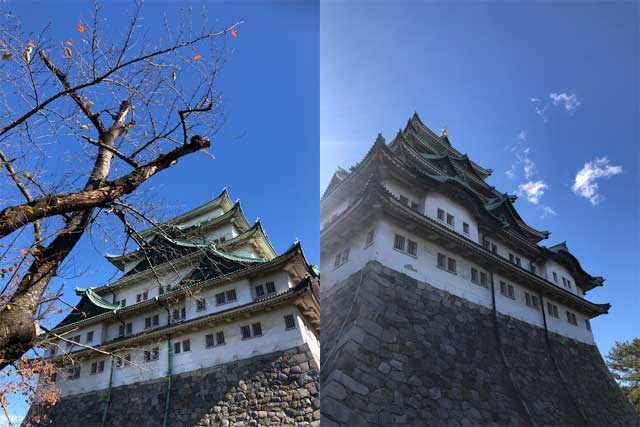
Nagoya Castle is a historic castle located in Meijo Koen and is one of the most famous castles in Japan for its large, stunning grandeur. The structure was originally built in 1612. Unfortunately it was almost destroyed during US bombing in World War II though the main building was restored in 1959. The area around the castle is also a stunning and spacious park where cherry blossoms bloom in season.
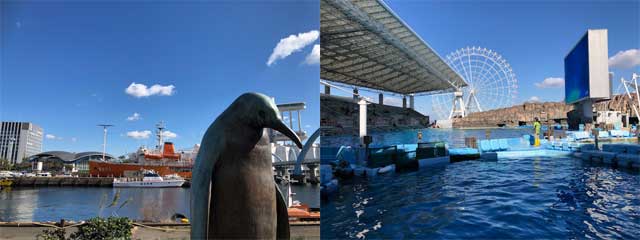
Nagoya Aquarium
A port city with the sea central to its existence, Nagoya owes much of its prosperity to its coastal location. The Nagoya Aquarium, officially known as the Port of Nagoya Public Aquarium, is a popular marine-themed attraction which draws in huge numbers of tourists each year.
Sea life lovers will enjoy the wide array of marine species, including fish, dolphins, seals, penguins, turtles, and many creatures.
One of the highlights of the Nagoya Aquarium is the Pacific Giant Octopus, which is known for its intelligence and remarkable abilities. The Nagoya Aquarium is a popular attraction for families and those who love nature as it really is an immersive and educational journey where people can spend hours learning about the wonderful world around us.

The city situated in the center of Japan is a gateway to the more rural landscapes of Gifu, Nagano and Toyama prefectures. Buses and trains radiate out from the Meieki (Nagoya Station district) to such destinations as Gujo-Hachiman, Shirakawa-go and the Nakasendo towns of Magome and Tsumago. The latter two villages retain their Edo Period charm and have become increasingly popular with overseas visitors.
Tourist photos of Nagoya by Chris KL
J.League Stadiums
©Soccerphile.com
Buy tickets for soccer matches around the world