
Gay & Lesbian Scene in South Korea 게이 한국
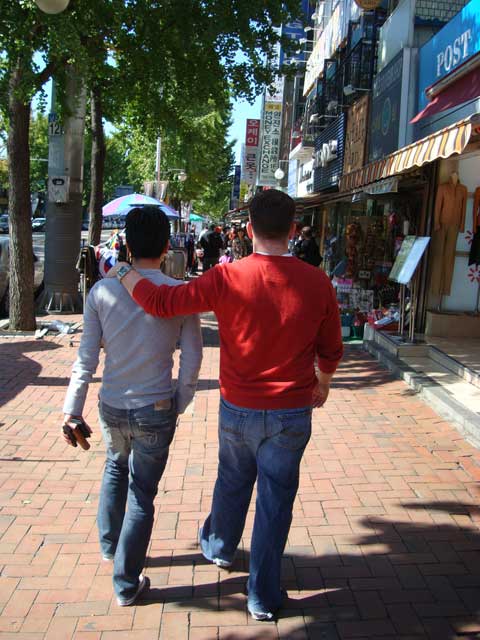
Korea's gay scene, though small and low-key compared to gay life in Japan and Taiwan, is now well-established and growing.
Homosexuality is not proscribed by law in South Korea and the gay rights movement has achieved some notable progress over the last decade or so. Homosexuals are protected by anti-discrimination laws and education concerning homosexuality does take place in schools. In 2022, the Supreme Court overturned a 2019 military court conviction of two soldiers sentenced to suspended prison terms for a consensual same-sex relationship. However, South Korea does not recognize same-sex partnerships.
Seoul has an annual gay film festival at the Seoul Art Cinema and a gay rights parade along Cheonggyecheon, both now over a decade and more old. Daegu, Busan and Gwangju also held their first Gay Parades in 2009. Seoul Pride is usually held in July.
However, with Korea being a deeply conservative, Confucian society, gay topics are still largely taboo, especially outside the major urban areas. Though gay themes have begun to appear in popular TV dramas and films, few Koreans, outside a few personalities in the entertainment industry, are openly gay.
Seoul
Seoul remains South Korea's most gay-oriented city with a foreigner-friendly gay scene now well-established in a number of bars, spas and clubs on "Homo Hill" in Itaewon. Queen, Trance, Oz, Why Not? and Always Homme are good places to start your evening.
For a more "Korean" vibe head to the bars in Nagwon-dong and around the Jongno-3ga subway station.
Busan
In South Korea's second city of Busan (Pusan) the main gay enclave is in Beomildong, near the Hyundai department store, two stops on the subway from Seomyeon. Well-known venues include Otoko, Zip and G-Men.