
IT WAS A WORLD CUP LIKE NO OTHER

Sean O'Conor
A month or so has now passed and the dust has begun to settle on the World Cup, the greatest show on earth.
Qatar 2022 had a truly fantastic climax that will live long in the memories, the sort of final we never dared dream of, after the dire conclusions of Italia '90, USA '94 and South Africa 2010.
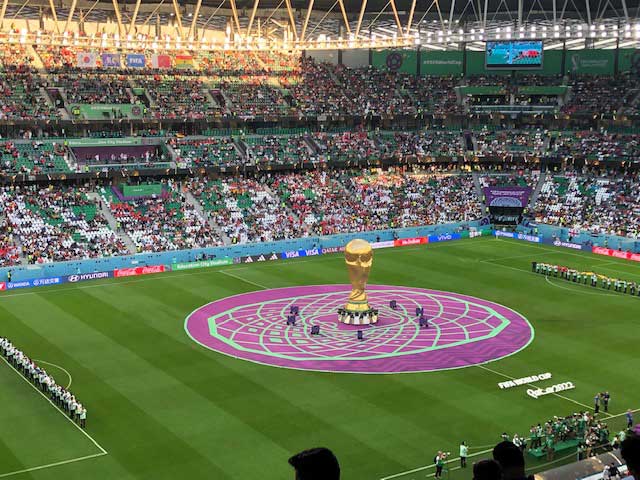
The wonderful tussle between Argentina and France in Lusail and the sight of the sport's most famous player holding the cup at long last left such a warm glow across the planet that we conveniently forgot the tournament's awkward winter staging in a nation with a paltry football heritage but plenty of shocking laws.
FIFA & the organising committee must have been delighted - their most controversial World Cup choice had passed the finish line intact. We should not overlook those negatives of course, nor should history forget the bribery or geopolitical shenanigans involved in the initial bidding race, a testament to the larcenous reign of Sepp Blatter in Zurich.
Qatar was hopefully the last host nation to disrupt the domestic season and with any luck, the last with such a casual concern for universal human rights, to file alongside Fascist Italy in 1934, the Argentine Junta in 1978 and Putin's Russia in 2018.
Games
But we should at least look back fondly on the tournament as a thing that brought pleasure to millions. Was it the best World Cup ever, as FIFA President Gianni Infantino claimed? Probably not, as the sport's governing body was on a charm offensive and beyond the magnificent final there were few truly memorable clashes - Argentina v Netherlands stands out, plus a couple of shocks - Japan beating Germany and Saudi Arabia acing Argentina made us all sit up.
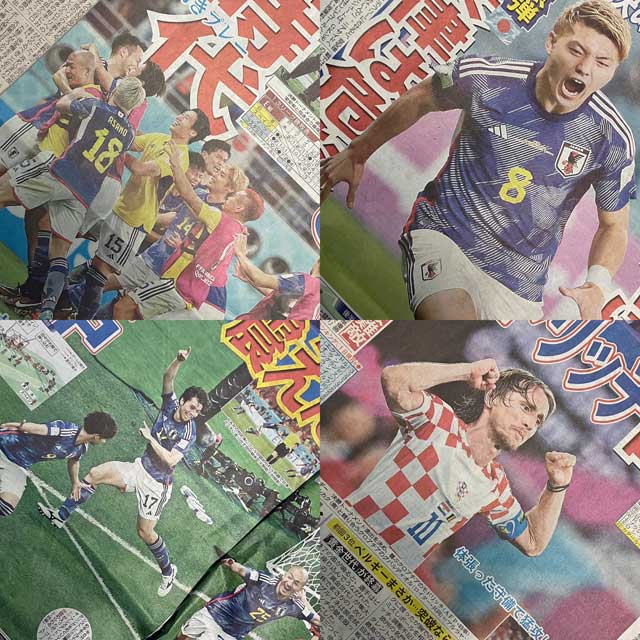
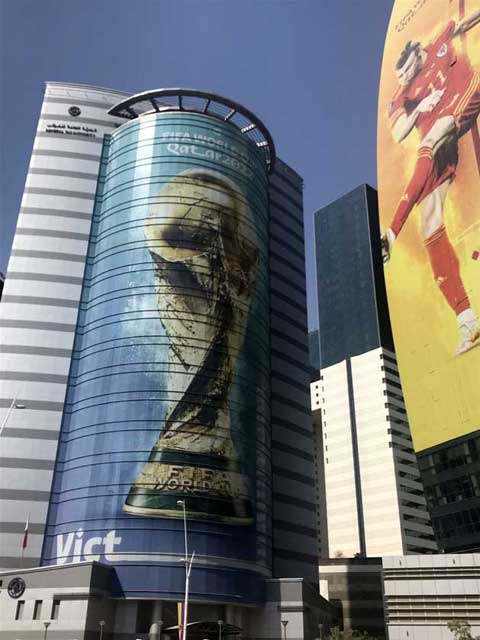
The latter was one of the greatest upsets ever and prompted a national holiday in the winners' country - a reminder of how international soccer resonates like no other sport and a big fillip for the House of Saud, which is busy flexing its football muscles with designs on the 2030 World Cup. An 18,000 m² advert for the nation called Saudi House stood on the Doha waterfront for the duration of the tournament, a soft power fortress.
In Qatar, there was not the array of iconic games we saw in West Germany 1974, Italia '90 or Espana '82, nor the sun-kissed flourishes of USA '94 or Brazil 2014, but it was not by any stretch a bad World Cup. On the field at least, Qatar passed the test.
Goals & Tactics
The ratio of 2.69 goals per game was fairly standard for World Cups and a long way from the record of 5.38 at Switzerland 1954, but it was the highest yet for 32-team finals of 64 matches. The standard of play was generally good, with only Qatar and Wales looking like they did not belong there. Belgium's rusted golden generation and Denmark, Euro 2020 semi-finalists, had a doomed glow about them throughout as well.
We witnessed no tactical revolution in 2022, but rather a confirmation that possession-heavy football - 'passenaccio', had lost its way, as Belgium, Germany, the Netherlands and its standard-bearer Spain were all left for dead by more incisive opponents.
One still needs to have the ball to score of course, but keeping it above all else seems an outdated philosophy. Like all playing styles, however, possession football will probably be revived once teams have forgotten how to play against it.
When the Dutch switched to route one tactics against Argentina to rescue their quarter-final, it was clear who had lost the battle of ideas. Analysing the tournament as a whole, FIFA's Technical Study Group found fewer crosses were made than in Russia 2018 but almost twice as many goals resulted from them - a de facto death certificate for tiki-taka and its through-the-middle attacking credo.
World Cup legend Jurgen Klinsmann summed up the group's findings thus:
"You are better off in a counter-attack approach and beating people, especially on the wings," he said. "Be courageous, go one against one and find ways to get opportunities because the centre of the field is just so full, tactically so well organised, that you are not going to create chances through the middle."
Years of gegenpressing from the top club sides has clearly found its way to international football. More compact lines and improved defences meant strikers at Qatar 2022 received a fifth fewer passes in the final third than in 2018. Think of the talented Robert Lewandowski's forlorn toiling up front for Poland as the prime example.

Players
Arsene Wenger also noted how many older players were still centre stage compared to previous World Cups - Lionel Messi (35), Olivier Giroud (36), Luka Modric and Cristiano Ronaldo (both 37) and Thiago Silva (38) all starred in Qatar, proof of improved diets and fitness regimes.
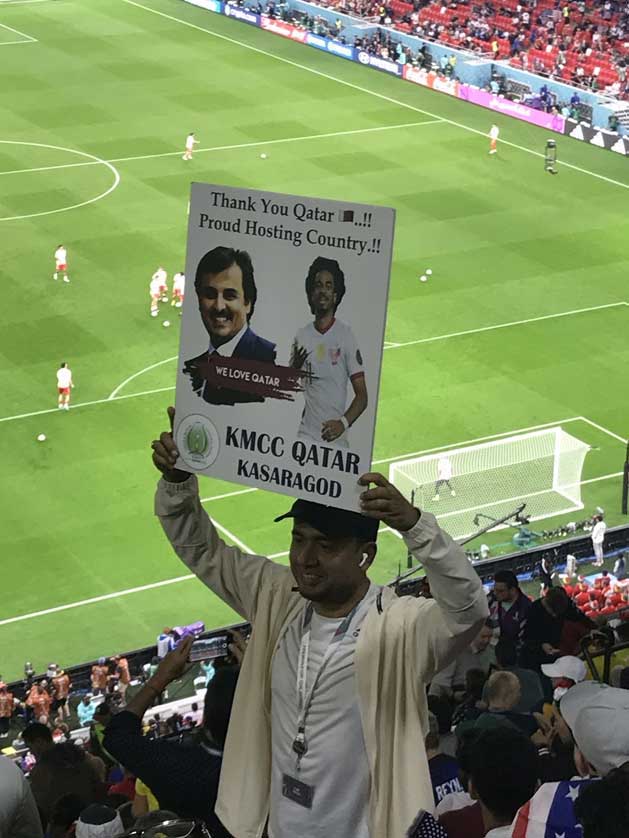
Fears nobody would travel to a conservative country in the first place proved unfounded as the stadia were largely full. Arab fans from Qatar, Saudi Arabia and the UAE were among the top six ticket buyers along with Americans, English and Mexicans. Blatter's prediction that Qatar was too small to succeed was also disproven, although the metro did overflow at times.
Host Nation
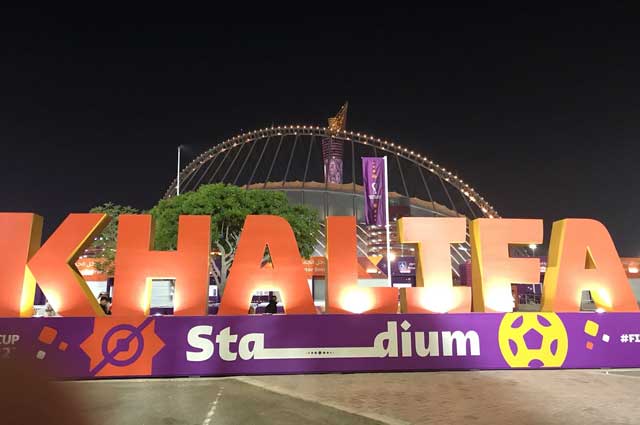
Most visitors found the host nation worked as a whole, although there were the usual gripes about accommodation and transportation. Many thought Doha felt somewhat artificial, as any boom town does. Being Middle Eastern, Muslim and a recently built expat-heavy nation in the desert, Qatar was notably different to other World Cup hosts and lacked the usual bar culture or streetlife, beyond the Souq Waqif, rebuilt in 2006 in a 19th-century style.

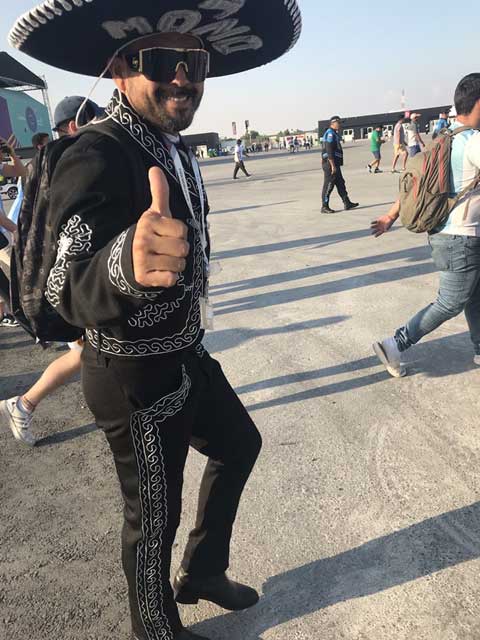
Thousands of Argentine, Mexican and Moroccan fans did their best to fire up the atmosphere nonetheless, but they were up against the organisers, who had tried to script everything.
The organic stadium experience was challenged by choreographed light shows and earsplitting music, confirming the evolution from supporter participation to the distanced spectacle that author David Winner noted in his book about the 2006 World Cup, Around the World in 90 Minutes. The Ecuadorian fans may have chanted 'We want beer', but with Budweiser's monopoly on World Cup sponsorship, they did not miss anything worth drinking.
The hosts' decision to ban FIFA's official tipple on the eve of the tournament was striking but made it clear who was really in charge, after their outlay of £200 billion. The overarching soft power show was made explicit in the end by the Emir draping a bisht, a traditional Arabic robe, over Lionel Messi's iconic Argentina shirt for the trophy presentation, a heresy to purists, but a gift to the Al-Thani regime.
Milestones
As with South Korea and Japan in 2002, a sense emerged of the world turning and football venturing beyond its European/South American comfort zone: It was the first World Cup when teams from all five continents reached the knockouts and the first time a CAF side reached the last four, although as a nation with a Mediterranean coastline, Morocco's achievement did not quite resonate as an 'African' milestone in the same way Cameroon's ride to the last eight at Italia '90 did.
2022 was disappointing for sub-Saharan Africa - only Senegal made it to the knockout stages where they were dismissed 3-0 by England. It was also bad for CONCACAF with no quarter-finalists and only one second-round player - the USA. Asia also missed out on the last eight but at least had Australia, Japan and South Korea in the Round of 16.
When the Saudis beat Argentina, Morocco beat Belgium and Iran beat Wales, it looked rather like an Arab dawn at the World Cup, but only the Atlas Lions could maintain the dream. Aiming for the final, Morocco fell at the last hurdle but will go down in history for having broken a hoodoo. Now a CAF team needs to reach the final.
Of course, Qatar 2022 was stamped forever by Messi, the most skilful player of his generation, finally scaling Everest. To rubber-stamp the sacred year, Pele, still the untouched 'GOAT', died 11, football's sacred number, days later.
Cristiano Ronaldo, the other outstanding footballer of this era, traipsed off the field in tears after his World Cup dream had evaporated in Portugal's defeat to Morocco. He then confirmed he had fallen out with his national team coach of eight years, although left the door ajar with an eye on Euro 2024.
Ronaldo's probable last World Cup was bookended by a pained interview announcing his break-up with Manchester United and a departure to Al Nassr in Saudi Arabia for €200 million p.a., which makes the Portuguese the world's highest-paid sportsman, though a suddenly peripheral one. Expect him tofront a Saudi bid for 2030 however, alongside an existing Saudi tourism ambassador, one Lionel Messi.
Argentina
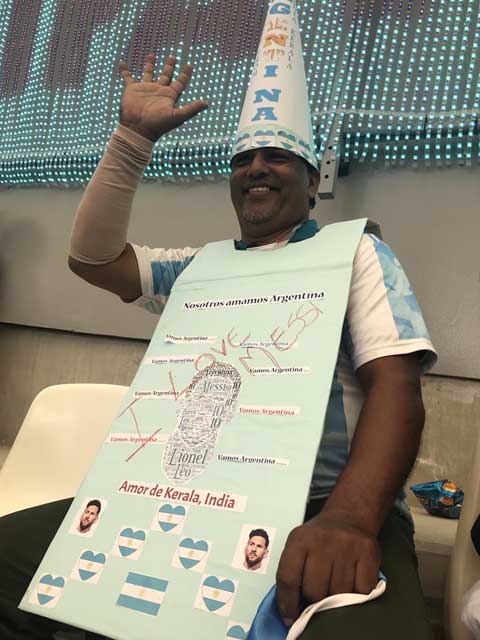
As for the big-hitting nations, mixed fortunes leave them at various crossroads. Argentina can drink up the champagne of course and some of its stars took a rather extended break from their domestic chores, although it is only two months until the 2026 World Cup qualifiers begin, which is a bit of a wake-up call.
The Albicelestes' Messi-momentum was enough to carry them over the finish line in the end, even though their team was not as talented on paper as in years such as 1998 and 2002 when they fell short. The best teams do not always win the World Cup and once again it was not the pre-tournament favourite but one of the leading pack that took the crown. As ever in victory, Argentina were 'pibes' - street urchins, a country mile from the FIFA Fair Play Prize.
Their squad taunted the Dutch manager, players and assorted journalists unpleasantly after their quarter-final and in the final, the goalkeeper of the tournament Emiliano Martinez showed his best gamesmanship in trying to upset French penalty takers, before making a lewd gesture with his personal prize. They were not "good champions in the sense of wearing the crown remarkably well", as Brian Clough said of Don Revie's Leeds.
France
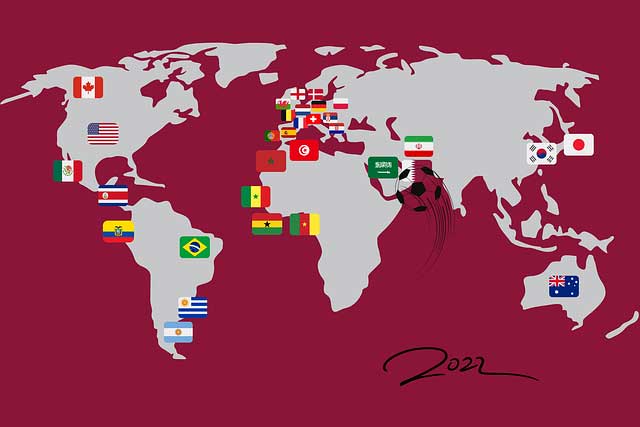
France, the losing finalists, remained an enigma throughout Qatar 2022, apparently in cruise control on their way to the final but only releasing the handbrake after half-time when they were disastrously 2-0 down. Despite being substituted after 71 minutes against Argentina, Antoine Griezmann was my player of the tournament for his roving wizardry, reminiscent of a young Mesut Ozil, and a real evolution from his previously dainty forward play.
Les Bleus' bizarre first half may never be adequately understood, but their rampaging comeback made for possibly the best World Cup final yet and the bigger picture is a bright one: It is easy to forget Les Bleus have now reached four of the last seven World Cup finals, placing themselves firmly in the winners' enclosure after so many years in the shadows.
It was also widely forgotten that France had lost key performers Karim Benzema, Lucas Hernandez, N'Golo Kante and Paul Pogba to injury beforehand and so had actually overachieved in reaching the final again.
Brazil
Brazil, the pre-tournament favourites (aren't they always?), roared briefly and when they despatched South Korea 4-1 in the Round of 16 looked like potential winners. But the seleçao will curse their luck at letting Croatia draw level late on in their quarter-final, incurring injuries and missing penalties to boot.
But how much of that was down to luck? Brazil did not twist the knife against the Croats when they needed to, looked short of ideas in midfield and were leaky in defence. Coach Tite's gamble in leaving Roberto Firmino at home in favour of the in-form Gabriel Martinelli did not work out either. Neymar may have missed his last chance at glory, but Brazil have a fine crop of young players to draw on in their quest to become sexto campeão.
Croatia
Hats off to Croatia, who excelled more than anyone in reaching the last four with an ageing side denuded of 2018 stars Mario Mandzukic and Ivan Rakitic, but still boasting Luka Modric and two excellent defenders in Josko Gvardiol and Josip Juranovic.
The chequered shirts are FIFA-ranked seventh, which for a nation of less than four million remains extraordinary. As five nations discovered in Qatar, the Croats are about the toughest nut to crack, with an extraordinary work ethic, strict organisation and never-say-die attitude, though Argentina shelled them in the semi.
Morocco
There is no doubt Morocco was the dark horse and revelation of the tournament, going where no African team had gone before by reaching the last four of the World Cup.
After topping a group containing Belgium and Croatia, it soon became clear the Atlas Lions had been well-drilled by Walid Rergagui, who amazingly had only been in the job since September, and possessed a pair of excellent all-round midfielders in Sofyan Amrabat and Azzedine Ounahi. Like the Croats, they had solid teamwork but probably needed a Modric-like creator to fine-tune their approach play.
Morocco's unexpected advance briefly seemed to have all of Africa and the Middle East behind them, but France ushered them to the exit in the semis, where they followed in the footsteps of other underdogs falling at the penultimate stage - Bulgaria, Poland, South Korea, Sweden and Turkey.
For all their spirit and support, as with Wales at Euro 2016, it felt like there was also a glass ceiling preventing the plucky Moroccans from going all the way.
England
England, having landed in Qatar after a bad run, quickly became a genuine challenger and only lost by a hair's breadth to finalists France in the quarter-finals.
With half a dozen quality attacking midfielders, no other side had so many trump cards to play, but the fine margin separating the Three Lions from glory was their talismanic skipper Harry Kane missing a penalty in the quarter-final. England may have kept their seat at football's high table but once more fell short when they came up against a top side.
Where the Three Lions go from here is unclear as the side had no obvious gaps beyond the lack of a seasoned midfield 'regista', although the teenage Jude Bellingham seems apt to don that cloak soon. Perhaps adding a second striker alongside Kane and swapping Jordan Pickford for Aaron Ramsdale between the sticks could help.
After a World Cup semi-final, quarter-final and European Championship final in his first three major tournaments, Gareth Southgate remains in high esteem, but the bucket of opprobrium rapidly heaped upon him following England's unadventurous 0-0 draw with the USA reminded us that the wolves are never far from the door.
Netherlands
The Netherlands briefly looked like contenders too, topping Group A with ease before dismissing the USA in the second round with a 3-1 win capped by a delightful Denzel Dumfries goal, forged by a 21-pass build-up of geometric beauty, in the finest Dutch tradition.
Despite the emergence of Cody Gakpo, a lack of depth was exposed in the squad, which was mediocre overall compared to their array of talent in 2010, when they reached the final, or their skill-stuffed squads of 1998 or 2014 when they made the semis.
In the quarter-final, the Dutch made the tournament's most heroic comeback to draw 2-2 with Argentina having been two down with seven minutes to go, before losing on penalties, Oranje's bête noire. Ironically, it was English direct tactics which saved their bacon, but having reverted to type and possession football in extra time, they could not force a winner.
As with Spain, Holland's possession-based game looked passé and Louis Van Gaal could not end his storied career with a final trophy, but the reappointment of Ronald Koeman as his replacement shows the Dutch are a leopard in no hurry to change their spots.
Spain
Spain had another bad World Cup, clinging desperately to memories of their 2008-2012 golden age by continuing to play possession football with a false nine, led by a Pep Guardiola disciple in Luis Enrique.
Unlike his mentor, however, Enrique had no Erling Haaland up front to finish off the passing movements. Like Holland, Spain briefly dazzled, thrashing Costa Rica 7-0, before losing to Japan in their last group game and then exiting on penalties to Morocco in the Round of 16.
Where does such a recent superpower go from here when they are so wedded to an outmoded philosophy? Grassroots revolution takes time. Spain were crying out for the rampaging forward play of a Diego Costa or Adama Traore, both unselected.
Enrique has subsequently quit and La Roja have a lot of work to do to reach the heights again. The new coach Luis de la Fuente is a relative unknown who has coached Spain's U19, U21 and U23 sides but is lacking in top-level experience.
Germany
Germany crashed out in the first round for the second World Cup in a row, an extraordinary statistic for the most successful European national team (four World Cups and three European Championships) of all time.
Their failure was not as bad as it might appear - four points from three games were enough for Poland, Spain and South Korea to make it to the second round, but Spain's mauling of Costa Rica edged the Mannschaft out on goal difference. Germany's coup de grâce however was their 2-1 defeat by Japan, where ageing custodian Manuel Neuer erred on both goals.
Beyond the teenage ball wizard Jamal Musiala and Steve Bull-esque Niklas Fullkrug, there were no new faces to get excited about and their possession-based football which worked so well in the past now also looks obsolete.
Hansi Flick kept his job but the side needs serious renovation if Germany are to win Euro 2024 on home soil. The jaded fans pine for a fiery centre-forward like Gerd Muller, Karl-Heinz Rumenigge or Jurgen Klinsmann.
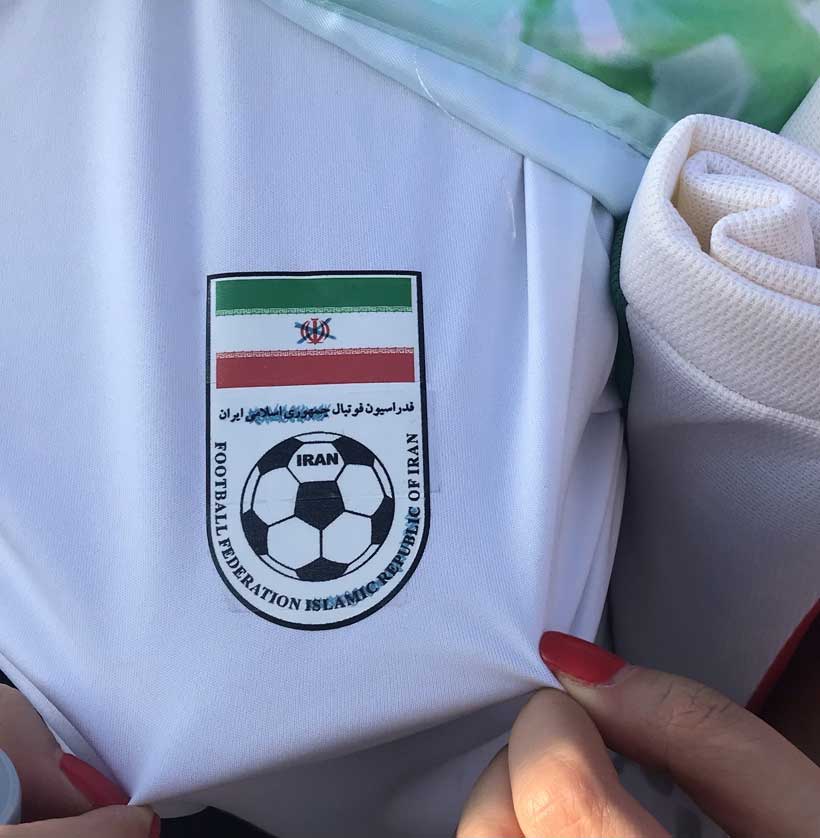
The world cheered the Mannschaft however when they made a clever hand-over-mouth gesture about Qatari human rights, almost as brave a protest as Iran refusing to sing their national anthem.

Portugal
Portugal had their 15 minutes of fame in their 6-1 thrashing of Switzerland, but despite their obvious talent just could not find a way through the Moroccan red wall after conceding in their quarter-final.
The North Africans, on a tidal wave of emotion, left Cristiano Ronaldo & Co. in tears, but Portugal had achieved their best finish since reaching the semis at Germany 2006.
FIFA-ranked 9th and with a dozen twenty-something midfielders and attackers, as well as Ronaldo, they should mount a serious challenge for Euro 2024 under Roberto Martinez. Goncalo Ramos, the 21-year-old Benfica forward, is their new starlet, maintaining the production line of Lusitanian talent.
Asian Teams
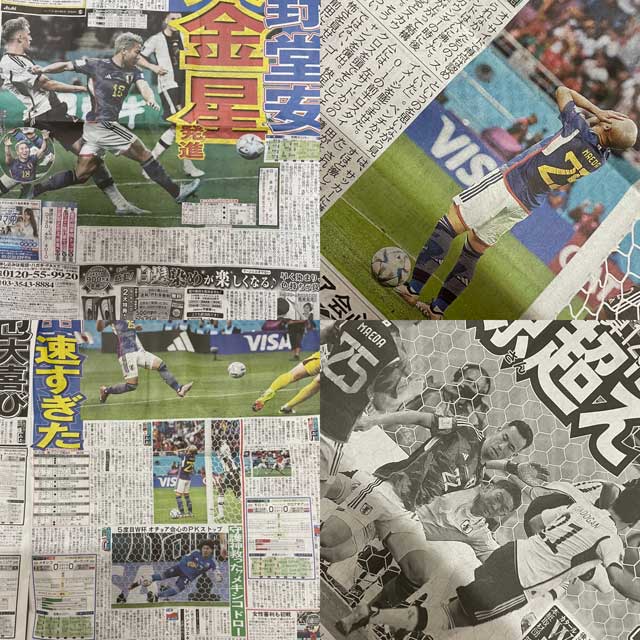
Japan and South Korea were the only Asian teams who made it out of the group but neither made it to the last eight, confirming the continent still has some catching up to do.
The Koreans got one stage further than last time but collapsed 4-1 to a rampant Brazil and with the resignation of Paulo Bento, are currently coachless and with an unclear future.
Japan could have beaten the Croats in their 1-1 second-round draw, although their disastrous penalty shootout showed Samurai Blue were fatally unschooled in that key test of tournament football. With four finishes in the Round of 16, Japan now risk becoming the new Mexico.
Their defeats of Germany and Spain though should not be forgotten and the incisive Japanese passing play won many fans. For a while, there was a sense they could go very far. New faces like Ritsu Doan and Karou Mitoma offer hope Japan can reach at least the last eight in the next World Cup. Hajime Moriyasu has kept his job as manager as they look to rebuild.
2026 Hosts
As for the 2026 hosts, none of the three will do as dismally as Qatar did in 2022 when they looked out of their depth from the first match.
Canada were a welcome finalist for the first time since 1986 and briefly wowed against Belgium and Croatia before their inexperienced cavalier tactics proved their downfall. A home hosting next time should boost the sport there.
Mexico not only failed to go beyond their traditional second-round limit but did not get out of their group either. Coach Gerardo Martino has departed as expected. El Tri's squad was caught between generations but should be fresher on home soil in 2026.
The USA played the best of the 2026 hosts, holding England again, drawing with Wales and beating Iran, before being outplayed by the Dutch.
They had the youngest team at the finals, which bodes well for the next World Cup, but only the American midfield looked worry-free, meaning they badly need to bring more players through in the next four years. With the exception of Tyler Adams and Christian Pulisic, the US looked more like the sum of their parts in Qatar.
So, looking back we will remember the desert location, the mid-season staging and Messi's dream coming true when we think of Qatar 2022, but it was also historic for other reasons: The first use of female match officials in a male World Cup, concussion substitutes and the use of up to five subs during the 90 minutes as well as an additional one in extra-time, innovations which all rolled out smoothly.
It was also the last World Cup to have 32 nations participating. The next will have 48 and it is hard to see FIFA rowing back on the party invitations.
As a consequence of almost 50 qualifiers, 2026 will have three countries hosting for the first time and with so many teams and fans to accommodate, most future World Cups will surely be multinational affairs.
For all its firsts, therefore, Qatar may also prove to have been the last standalone World Cup host.
© Sean O'Conor & Soccerphile
Buy tickets for soccer matches around the world