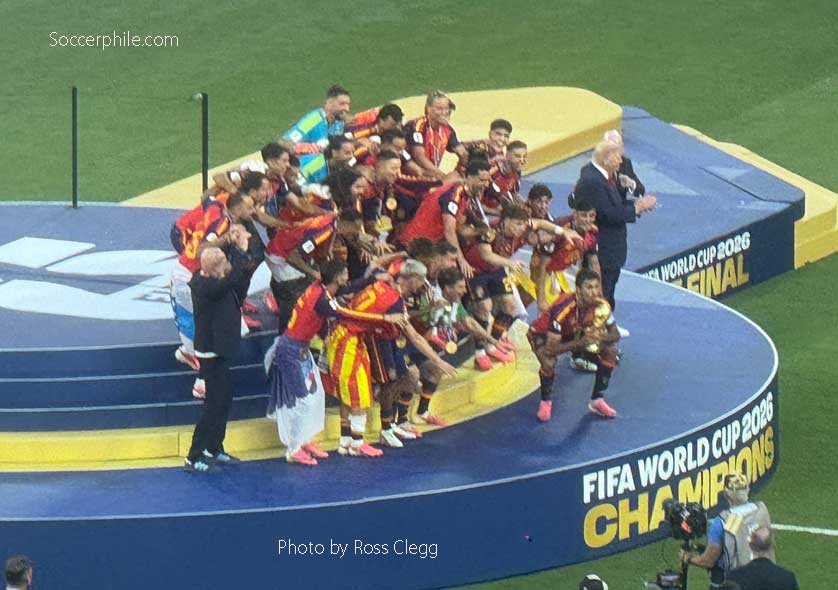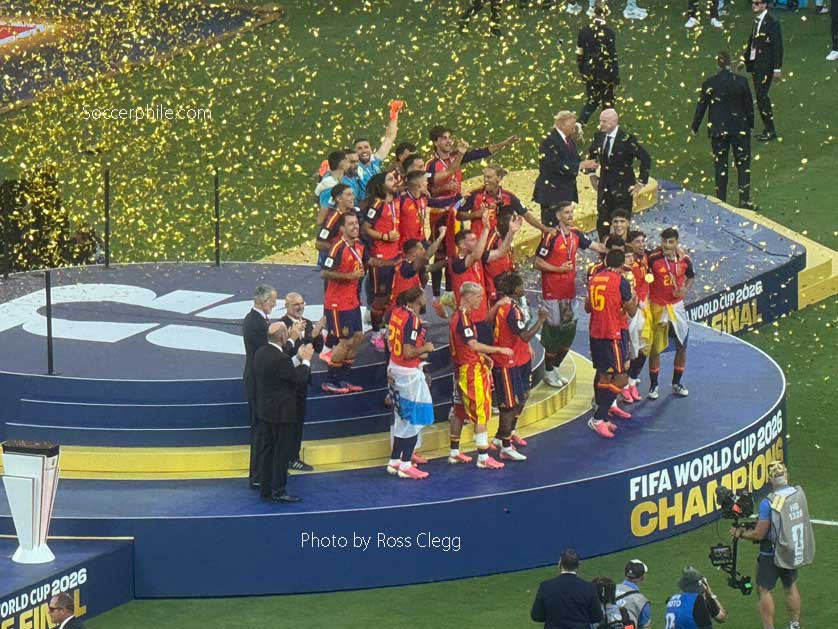
The 2026 World Cup sparked fierce debate long before a single ball was kicked. Expanding the tournament to 48 teams raised serious doubts; critics questioned whether the quality of football would suffer, whether the logistical demands across three host nations were too ambitious, and whether fans would actually show up in sufficient numbers to fill those enormous stadiums.
Even respected figures from within the game voiced their concerns openly. Former USMNT goalkeeper and Premier League stalwart Brad Friedel was among those who spoke candidly. You can read the full interview over at The Sun, where he warned that certain venues could end up half empty and that the brutal summer heat across the United States could seriously compromise the quality of matches. These were not fringe opinions. They reflected a genuine unease felt across the footballing world.
But those fears did not materialise. The 2026 World Cup went into history as the largest, most-watched, and in many respects most memorable tournament ever staged. And now that the dust has settled, something more significant than trophies and statistics remains: a set of lessons this tournament delivered to anyone paying close enough attention.
Why Expanding to 48 Teams Was Always a Bigger Bet Than It Looked
The doubters had legitimate points. Stretching the group stage across 48 nations meant that weaker sides would fill slots traditionally held by teams capable of competing at elite level.
There were real concerns that early-round matches would lack the intensity and technical quality that define the World Cup at its best. Add to that the sheer scale of hosting across the United States, Canada, and Mexico (three countries with dramatically different climates, cultures, and infrastructure), and the organisational risk was enormous.
What the tournament proved, however, was that the expanded format created something the old structure rarely produced: genuine surprise.
Nations that had never reached this stage before showed up with conviction, tactical discipline, and hunger that no one had anticipated. The group stage, rather than being diluted, felt electric in a way that caught even seasoned football observers off guard. The concerns about empty stadiums? Crowds across most venues were remarkable, and the atmosphere in cities that had never previously hosted World Cup football was something that no sceptic had fully accounted for.
The Heat Debate and What It Revealed About Football's Adaptability
Friedel's warning about weather conditions compromising matches was not without foundation. Kick-off times were adjusted, cooling breaks were introduced, and certain fixtures in peak summer heat demanded extraordinary physical endurance from players. Some matches visibly suffered in the final quarter of an hour, with cramping and fatigue reshaping outcomes in ways that felt unfair to the neutral observer.
Yet here is what stood out: the teams that reached the latter stages were precisely those who had prepared for adversity rather than simply hoping conditions would be manageable. Medical and sports science teams worked overtime.
Squad rotation became a genuine tactical weapon rather than a luxury. Nearly thirty percent of all goals in the tournament were scored after the 75th minute, a statistic that tells you everything about which teams had done the physical preparation work before the tournament even began. The heat did not ruin the football. It separated the organised from the underprepared.
Collective Football Won the Argument Against Individual Brilliance
The style of play that dominated the knockout rounds made a powerful statement about modern football. This was not a tournament where one player carried a nation on their back through sheer individual quality.
The sides that went deepest were the ones built on movement, structure, and a shared understanding of space. Spain's passing numbers in the final were extraordinary: hundreds of interconnected decisions made in real time, each one requiring a player to be exactly where their teammates expected them to be.
That approach reflects a broader shift in how elite football is now coached and understood. The era of the solo genius arriving to rescue a disorganised team is fading. What wins tournaments today is the collective willingness to do unglamorous work: pressing without the ball, running channels that may never result in a touch, maintaining shape when the game is against you. The 2026 World Cup reinforced this truth emphatically. Teams that chased individual moments of brilliance were consistently outworked by those who trusted their system.
What Three Host Nations Showed the World About Football's Cultural Reach
One of the most underappreciated aspects of this tournament was what hosting across North America revealed about football's growing presence in territories that have historically been resistant to it.
The United States, in particular, delivered an atmosphere and an engagement level that surprised even the most optimistic projections. Major League Soccer has spent years building a foundation, and this tournament landed on soil that was far more fertile than it would have been a decade ago.
Canada and Mexico each brought something distinct. Mexican football culture translated magnificently to the global stage, with its fans generating the kind of noise and colour that television cameras struggled to fully capture. Canada, hosting World Cup football for the first time with genuine national investment behind it, produced viewing figures that broke its own records.
The tournament demonstrated that football does not merely follow existing audiences; it creates new ones when given the right stage and the right moments.
The Lessons That Outlast the Final Whistle
Awareness without action is just watching. That applies as much to football governance as it does to anything else. The 2026 World Cup raised real questions about player welfare, tournament scheduling, and the physical toll of an expanded format.
Those conversations are not finished. They need to produce structural change rather than simply feeding the next pre-tournament debate cycle.
What the tournament modelled beautifully (on the pitch, at least) was patience as an active rather than a passive state. Teams that stayed composed in difficult moments, managed their resources under pressure, and moved decisively when the opportunity arrived were the ones still standing at the end. That principle extends far beyond football. Every organisation, every team in any context, faces conditions that are rarely ideal.
The sides that came closest to perfect at this World Cup were the ones that had stopped waiting for ideal conditions and had learned to perform inside the reality in front of them. That is the lesson worth carrying forward long after the stadiums have emptied.