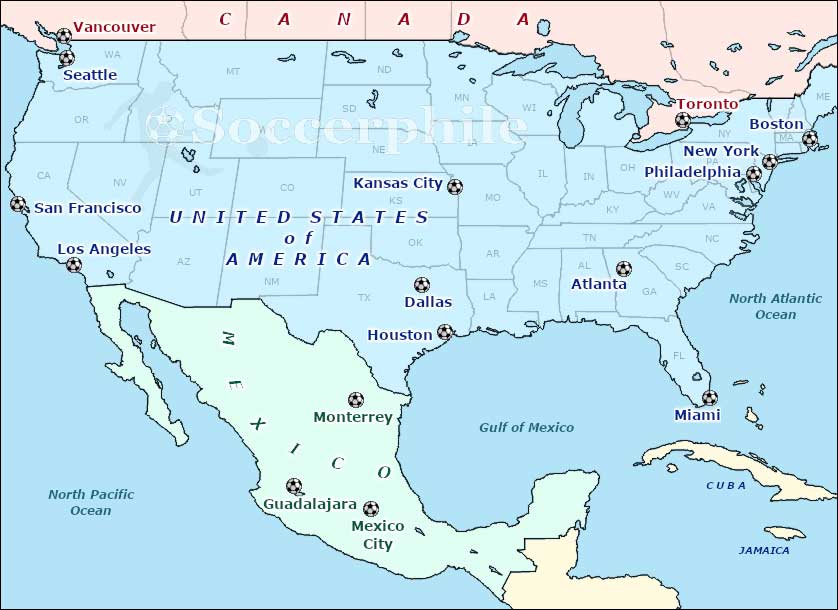
The 2026 World Cup is going to be one of the biggest and most logistically complex tournaments in the history of football, as it involves 48 teams for the first time and is spread over 16 cities and three countries for the 104 games. This represents a big challenge for fans who're travelling over to the competition. There are thousands of miles between Vancouver, Mexico City and Boston, so there's certainly plenty of logistics to get sorted.
Everyone is closely looking at the latest FIFA World Cup betting odds to try to get a feel for what teams might be playing who during the knockout stages of the tournament, as this will have an impact on where fans will want to base themselves later on. It's a matter of sorting flights, hotels, and tickets for all of the games relevant to you.
The Tournament Plan
The tournament starts on June 11 and lasts until July 19, so there's plenty of football to look forward to. The first game will take place in Mexico City at the iconic Estadio Azteca. The final will take place in MetLife Stadium in New Jersey, which usually hosts NFL games for the New York Jets and New York Giants.
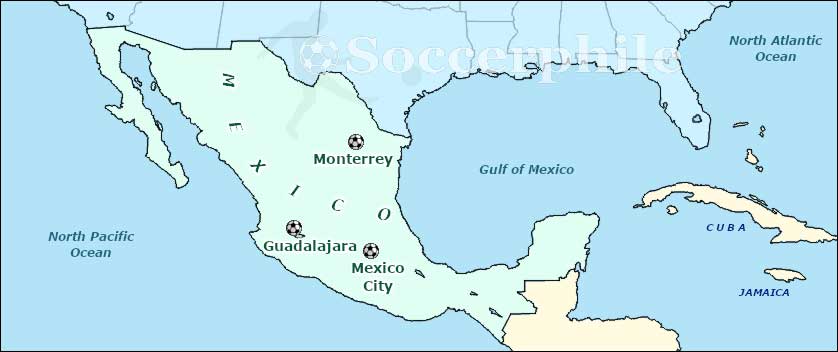
Between these two fixtures will be another 102 games spread across 16 cities. There are three cities in Mexico hosting games: Mexico City, Monterrey and Guadalajara. Toronto and Vancouver are the Canadian cities. Finally, US-based games will take place in Atlanta, Boston, Dallas, Houston, Kansas City, Los Angeles, Miami, New York-New Jersey, Philadelphia, San Francisco Bay Area and Seattle.
Naturally, the list of cities hosting knockout games will be smaller, with the quarter-finals taking place in Boston, LA, Miami and Kansas City, with the semi-finals in Atlanta and Dallas before the final just outside New York City.
That structure makes it difficult for trip planning, as it's not like some of the past tournaments that were confined to a single country of a much smaller size. The general structure this time around is the first two weeks are when Mexico and Canada are at their most active, while there will be more US travel as the knockout phases commence.
When to Go
Most travelling fans won't be doing the full six weeks of the tournament. Generally, they're looking at a suitable two-week period to go for, which is the biggest decision to make regarding the exact timing of doing so.
The group stage runs between June 11 and June 27, a stage when the most cities will be active and there will be better accessibility to tickets. Anyone who's looking to experience as many cities as possible will need to go during this timeframe. Some of the most enticing games will be those held with a great atmosphere like Mexico City, in Toronto for Canada's home fixtures, and in Los Angeles.
The round of 32 and the last 16 runs from late June into early July, where the storylines start to progress and some underdogs continue to impress. The quarter-finals onwards from July 9 are the boutique end of the tournament. Anyone planning to go to the business end of the tournament needs to be more flexible, as it's hard to know exactly what teams will be playing where until after the group stage concludes.
Anyone who's conscious about their budget will ideally be going halfway through the group stage and catch some of the round of 32. Hotel prices will ease slightly after the opening week peak and before the knockout rush, so you can catch some meaningful games and move between cities without paying the big premium for later stages.
Choosing a Base
Trying to chase matches across three countries is both tiring and expensive. Most travelling fans will choose one or two bases and have day trips or short journeys between cities.
Mexico City is the area that most will gravitate towards during the event where there's a huge football culture. There's also great food and prices will be significantly lower than what you'll get with any US city. The downside will be the altitude, which can take a couple of days to get used to, especially if you're planning to get around on foot mainly. Internal flights to Monterrey and Guadalajara are generally cheap and short.
Toronto is a good mix of value, English language convenience and easy access to the games in the northeast of the US. Vancouver is a bit further afield but offers a nicer climate than games in Dallas and Miami, which will be quite humid at that time of the year.
New York and New Jersey is an obvious base for anyone planning to be at the tournament in its latter stages. However, the prices are going to be massive and will only rise as the tournament gets closer. However, you will be a few hours from games in Boston and Philadelphia.
Los Angeles is a good base for anyone looking to travel between the likes of San Francisco, Seattle, and possibly Denver. However, traffic can be a nightmare, so this requires extra planning to avoid frustrating journeys.
The smaller and mid-sized US cities like Kansas City, Cincinnati, Philadelphia, and Atlanta offer much better value than the headline destinations and still have some headline games.
The Visa and Border Situations
As a result of having to travel between three countries, there is plenty of strict border logistics to consider. UK and Irish travellers usually need an ESTA for US travel and an eTA for Canada, which can apply for online easily. Mexico doesn't require a visa for short stay tourists from most European countries but a tourist card is necessary upon entry. Crossing land borders is possible but expect delays, especially when big games are approaching. Flying will be faster and more predictable, but naturally adds costs.
Whatever you decide upon, the joy of being at a World Cup will be massive. Following your team's fortunes can be a rollercoaster and there will be football fans from all across the world to get to know and enjoy your downtime with.