

January 23rd, 2022
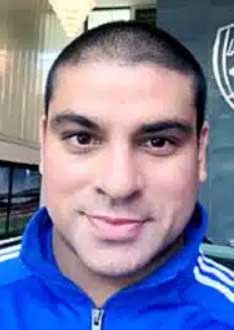
Judan Ali provides an insight into what the role of a Technical Director looks like and advice to those professional coaches and managers in the modern game who wish to make the transition of becoming a Technical or Sporting Director of football.
If there is one part of advice to give to any upcoming Technical Director or a Sporting Director who aims to make the transition from coaching to performing the role is to remain humble, you are still an integral part of the Technical Department and though you may sit at the top directing your technical staff, you have to remember, it is crucial that your staff and team members buy into your direction and run with it as if it is their own project. It is important that everyone is working towards the same goals, and I say this with a bold face that DO NOT IMPOSE your pre-conceived ideas or beliefs, but to absorb, observe and ask questions that provide your team with the confidence that you care and understand their concerns and challenges.
Yes, understanding the needs of the organization and history is important as well as understanding the players NEEDS, for their success will be yours. So get it right ... from the outset. Be modern, adaptable as football is always evolving, but at the same time be mindful of the resource you are working with, for not every Member Association is blessed with the state of the art facilities. "A bad workman blames their tools."
You have to be a visionary that can see beyond tomorrow but can manage today. You are on the executive side of the Member Association that shall set a long-term vision for the technical team and the performance team ( should there be one ). A Technical Director who builds the team from the players, the staff and builds the culture within that team, but gradually implementing and not treading on anyone's toes, for going in trailblazing and in command style will not work. You need to know what Performance looks like, and how the tactical side of the game works. Working very closely with the Head Coach on how to implement tactics to win, setting long-term visions for example, "do we want to qualify for the finals of a World Cup? and, realistically, will it take one or two or even three years to successfully achieve those targets? How are we going to get there?"

One of the most attractive things about being a Technical director is that you work with so many different aspects of the Member Association: Technical staff, Marketing, Finance, Executive Committee, Stakeholders, Sports and Government bodies, Education sector, schools, colleges and Universities and in some cases global business and local businesses. You can tap into so many different areas because the role pulls you in those different directions. It's not purely football. It's multi-dimensional but ultimately you sit a bit removed from the grass and you're able to set the short and long-term vision of the Member Association.
Recruitment is if not the most important part, for you may only get one chance to recruit your Head Coach or coaches of the teams and the opportunity to change this decision or back track is impossible, so take your time, use your instinct, recruit again based on the NEEDS of the players, the culture and the climate for recruiting someone who cannot integrate into the culture and community may end up losing their focus on why they are there to begin with and in rare cases end up leaving.
TIP: Do not impose or immerse yourself into coaching, for you were recruited to be the Technical Director for a reason. Only step into a coaching role if it's the last resort or your management see no other option.
You've got to think will the players you have in the youth teams be able to play a part in the bigger picture and will they still be able to help you win? That's quite challenging. Planning's important but you've got to be able to adapt and pivot as well. I believe that success shall bring in the fans, creating a vibrant and a buzz that no other industry can bring to a nation. So aim high, do not hold back, if you do not try you will never know and making strategic decisions should factor in all these things.
Always keep engaging with your resources, the people around you have been there longer, and they are there for a reason, being accepted is a sign of success. Resistance from a few is natural, it is your task to get everyone onside, if you aren't a fantastic communicator or cannot gain the trust and influence others in a positive way, forget it. If you are in an environment where you have access to data analysts, performance coaches and sports scientists, draw on them to help you in your journey especially when it comes to making the big decisions. The more you have a stronger team are where the relationships are solid, then structured communications can help you make the correct decisions. For example, how do you identify players that can be separated from the rest of the players that will give you a consistent success throughout the next 2 to 3 years and not just players that will perform over the next 2 to 3 games.
It is important to have a multi-disciplinary team that informs you and allows you to make really good decisions. If you do not have this, then you may make poor decisions and you have to accept that sometimes you may not get it right either. (Feed off and into the person(s) that recruited you failing having a disciplinary team).Hopefully, you shall be successful whatever your President and the executive committee agree upon as your KPIs, but one thing you can reflect upon during and after, is that if you managed to repurpose your work and that had a positive impact not only on the micro, but the macro factor of the community and help that community grow and engage with the Member Association in an authentic way then that in itself is a victory as by default, you would have helped in creating an economy thus creating jobs and a brand. Remember, players come and go, Technical Directors come and go. Coaches come and go.. what doesn't change is the community and the Member Association.
You may check out some recent posts on Judan Ali's Instagram of his recent appointment as technical director of football and Sport in the untapped province Yeosu, South Korea on his Instagram handle and Twitter.
Key experiences that influenced Judan Ali in becoming a Technical Director
In the season 2012/13, the owners of Blackburn Rovers FC who won the Premier League in 1995 invited Judan Ali to assist in stabilizing the club as it was going through turbulent times, Ali stabilized the club by making key coaching appointments and continued to mentor and oversee matters until Blackburn Rovers were stable. This experience for Ali gave him sound solid experience to go onto becoming a Technical Director and one that could do a fantastic job for any club looking to compete at the top of English football.
Since 2019 , Judan has been the Technical Director of Maldives football , the first British U.K. National that has held a role of Technical Director from a BAME background at a FIFA Member Association, Judan had to also step in as the National woman’s Head Coach and Head Coach of the U16 Men's National team.
Judan Ali: Instagram: @ali_judan_
Twitter: @JudanAli
Judan Ali: www.judanali.com
Buy tickets for soccer matches around the world