
Plastic Fantastic
Marc Fox
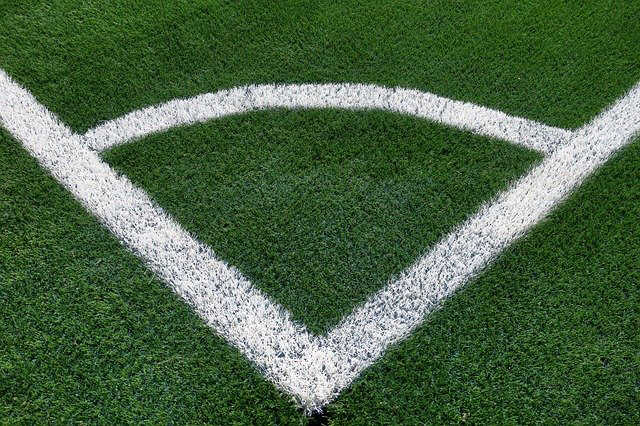
A survey into the habits and trends of amateur football clubs in the United Kingdom has discovered that one in five players who currently play on substandard grass pitches are planning to play less football next season.
The damning statistic about the poor state of the UK's pitches at the grassroots level shines a light on the desperate need for the game's governing body in England to invest into the development of 3G pitches in order to prevent players dropping out of the sport.
3G, or third generation, pitches are artificial grass-like surfaces that enable sport to be played in almost all weathers.
Almost two million people take part in football every week in the UK; however, the availability of quality pitches remains the biggest factor in how much they play and a lack of quality of pitches is putting them off playing more.
Furthermore, low interest and participation in junior football is directly correlated with fewer opportunities for success at the elite level and the FA have been at pains to retain as many junior players as possible.

Last year, FA chairman Greg Dyke suggested that the number of publicly accessible 3G pitches across England should rise to more than 1,000 over the next four years, with a significant slice of the £260 million budget announced in August allocated to bringing the number of artificial surfaces more in line with countries elsewhere in Europe.
This investment is aiming to break the dependency on underfunded local authority pitches, which is a central pillar of the FA's new National Game Strategy for Participation and Development.
According to the FA, "Currently in England, 83 per cent of pitches are publicly owned and, as austerity measures kick in, local authority budgets are increasingly being squeezed. Therefore funds for pitch maintenance are often at risk as councils are forced to prioritise essential services."
In Swansea, for example, the local government has this month announced its plans to part fund the development of 3G pitches in the city after it was revealed that over a third of junior football has been cancelled over the past two seasons because of adverse weather conditions.
Indeed, not only does the lack of artificial surfaces lead to lost playing time for junior players, the quality of the training able to be provided and thus the standard of the football is also compromised.
The development of artificial pitches has come a long way since the old-style astroturf was introduced to some top flights football clubs in the 1980's.

Not only have modern 3G pitches addressed the "dodgy bounces and carpet burns" argument against traditional plastic pitches, they also have the advantage of being cheap to maintain.
What's more, they can be hired out, providing another fruitful income stream for cash-strapped clubs in the lower leagues, while some argue that football skills could rise, rather than be diminished, by using a truer playing surface.
On the other hand, the life of a 3G pitch is only around 10 years before it needs replacing.
Nevertheless, Uefa, European football's governing body, has actively encouraged the use of modern artificial pitches at the highest level (e.g. Andorra played their home Euro 2016 qualifiers on a 3G pitch).
Similarly, Fifa's decision to use artificial surfaces in the 2015 Women's World Cup in Canada, although meeting some opposition, was proven to be a wise choice.

Buy tickets for soccer matches around the world