
World Cup 2026 Competing Nations' Flags
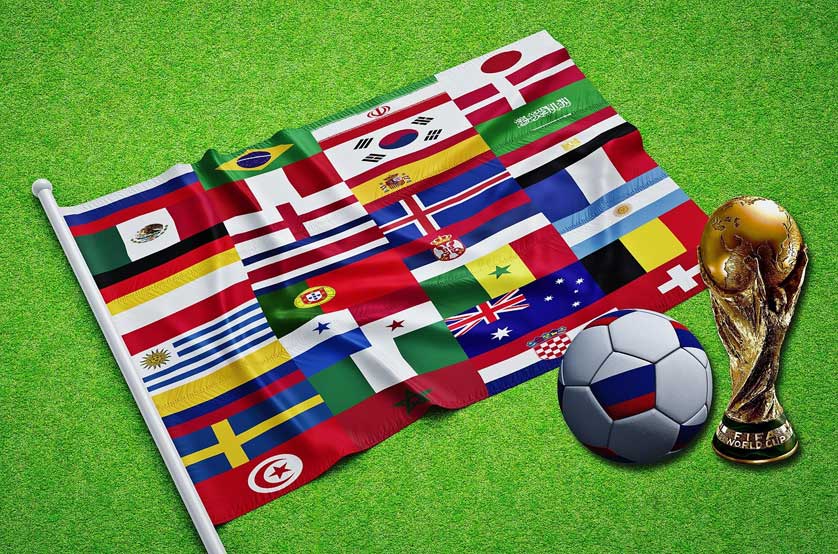
Flags will be everywhere at World Cup 2026 - on the field during the teams' national anthems, waved passionately in the stands, painted onto the faces and bodies of fans, and printed on T-shirts, silly hats and baseball caps.
The flag is a symbol of national pride and identity and with so many teams appearing for the first time at this World Cup maybe not everyone is familar with some of the flags. So here they are!
See a list of the country flags of the 48 nations competing at the FIFA World Cup 2026.
From Algeria to Uzbekistan see the flags below.
| National Team | Flag |
| Algeria |  |
| Argentina |  |
| Australia |  |
| Austria |  |
| Belgium |  |
| Bosnia & and Herzegovina |  |
| Brazil |  |
| Canada |  |
| Cape Verde |  |
| Colombia |  |
| Croatia |  |
| Curaçao |  |
| Czech Republic |  |
| DR Congo |  |
| Ecuador |  |
| Egypt |  |
| England |  |
| France |  |
| Germany |  |
| Ghana |  |
| Haiti |  |
| Iran |  |
| Iraq |  |
| Ivory Coast |  |
| Japan |  |
| Jordan |  |
| Mexico |  |
| Morocco |  |
| Netherlands |  |
| New Zealand |  |
| Norway |  |
| Panama |  |
| Paraguay |  |
| Portugal |  |
| Qatar |  |
| Saudi Arabia |  |
| Scotland |  |
| Senegal |  |
| South Africa |  |
| South Korea |  |
| Spain |  |
| Sweden |  |
| Switzerland |  |
| Tunisia |  |
| Turkey |  |
| Uruguay |  |
| USA |  |
| Uzbekistan |  |
Flags
Algeria - The national flag of Algeria (علم الجزائر) features two equal vertical bands of green and white, with a red crescent and star centered between them - symbols of Islam, the country's predominant faith. It was adopted in 1962 when Algeria gained independence from France.
Argentina - A horizontal triband composed of light blue stripes at the top and bottom, with a white central band bearing the Sun of May - which references the May Revolution of 1810.
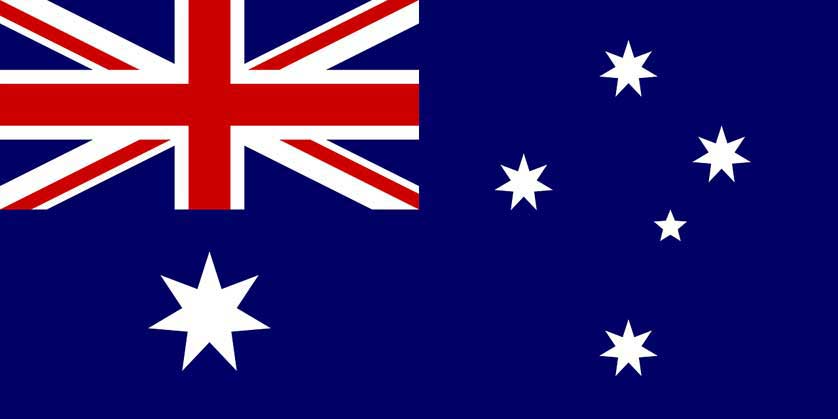
Australia - The national flag of Australia is derived from the British Blue Ensign, featuring a blue field with the Union Jack in the upper hoist quarter, alongside a large white seven-pointed Commonwealth Star and the Southern Cross constellation, depicted by five white stars: one small five-pointed star and four larger seven-pointed stars.
Austria - The national flag of Austria (Flagge Österreichs) consists of a horizontal triband of red, white, and red. It is regarded as one of the oldest national symbols still in use by a modern country, with its earliest recorded use dating back to 1230.
Belgium - Belgium's national flag is a vertical tricolour of black, yellow, and red, derived from the coat of arms of the Duchy of Brabant, with its design possibly influenced by the French flag.
Bosnia - The flag of Bosnia and Herzegovina features a deep blue background with a yellow right triangle representing the country's shape and its three main ethnic groups. Along the triangle's hypotenuse runs a line of white stars, symbolizing Europe and continuity beyond the flag's borders.
Brazil - The national flag of Brazil consists of a green field with a yellow rhombus enclosing a blue globe of stars—among them the Southern Cross - overlaid by a curved band inscribed with the motto Ordem e Progresso ("Order and Progress"). The flag was officially adopted on 19 November 1889.
Canada - Canada's national flag, popularly called the Maple Leaf, consists of a red field centered on a white square.
Cape Verde - Cape Verde's flag consists of five uneven horizontal bands of blue, white, and red, accented by a ring of ten yellow five-pointed stars, all oriented upward. The ten stars symbolize the nation's main islands off the West African coast, while blue represents the ocean and sky, and the white and red bands signify peace and effort along the path of nation-building.
Colombia - The national flag of Colombia is a horizontal tricolour of yellow, blue, and red, with the yellow band occupying the top half of the flag. Yellow represents the nation's wealth and natural resources, blue symbolizes the seas and skies, and red stands for the blood shed in the struggle for independence.
Croatia - The national flag of Croatia is a horizontal tricolour of red, white, and blue, with the coat of arms centered on the white stripe. The coat of arms features a checkerboard pattern of red and white squares topped by five smaller shields representing historical regions.
Curaçao - The flag of Curaçao features a blue field with a horizontal yellow stripe near the bottom and two white five-pointed stars in the top-left corner. The blue represents the sea and sky, the yellow stripe symbolizes the island's bright sun, and the stars stand for Curaçao and its smaller sister island, Klein Curaçao.
Czechia - The flag of the Czech Republic consists of two horizontal bands - white on top and red on the bottom - with a blue triangle extending from the hoist side. The colors represent historical ties to the region, while the blue triangle symbolizes Moravia and adds balance to the design.
DR Congo - The flag of the Democratic Republic of the Congo features a sky-blue field crossed diagonally by a red stripe edged in yellow, with a yellow five-pointed star in the upper hoist corner. The blue symbolizes peace, the red represents the blood shed for the nation, and the yellow stands for the country's wealth and prosperity.
Ecuador - The national flag of Ecuador is a horizontal tricolour of yellow, blue, and red, with the yellow band double the height of the others and the national coat of arms centered.
Egypt - The national flag of Egypt consists of three horizontal bands of red, white, and black, with the Eagle of Saladin displayed in the center of the white stripe.
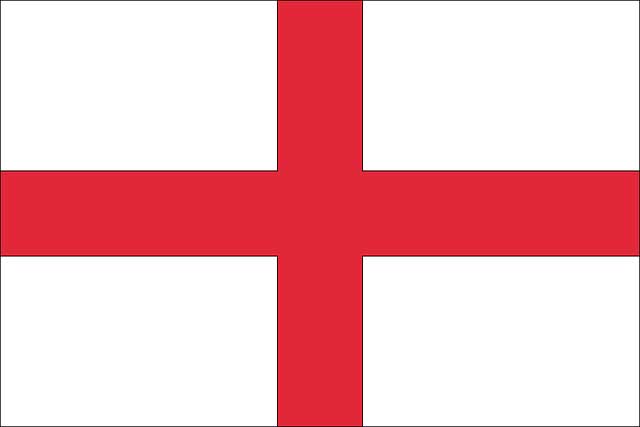
England - The flag of England, known as St George's Cross, features a red cross on a white field. Unlike, say Americans, the English are not so comfortable with flag bearing and during the 1970s the St George's Cross was largely co-opted by the right wing National Front and football hooligans. In the summer of 2025 St George's Crosses began appearing around the country (in part a reaction to the ongoing immigration narrative) sparking a debate on the flag's place in British society.
France - The national flag of France is a vertical tricolour of blue, white, and red adopted during the French Revolution.
Germany - Germany's national flag consists of three horizontal bands of black, red, and gold.
Ghana - The flag of Ghana features horizontal stripes of red, yellow, and green with a black five-pointed star centered on the yellow band.
Haiti - Haiti's flag consists of two horizontal bands of blue and red, with the national coat of arms centered on a white panel.

Iran - The national flag of Iran is a horizontal tricolour of green, white, and red, with a red Islamic emblem centered on the white band and the phrase Allāhu akbar in white Kufic script repeated along the edges of the green and red stripes.
Iraq - The flag of Iraq consists of three horizontal stripes - red at the top, white in the middle, and black on the bottom - with the Takbīr (the phrase "Allahu Akbar" in green Arabic script) centered on the white stripe. The colors follow the traditional Pan-Arab palette, symbolizing courage (red), peace (white), and strength (black), while the green script reflects Islam, the country's dominant religion.
Ivory Coast - The flag of Ivory Coast is a vertical tricolour of orange, white, and green with equal bands; orange stands for the land and vitality, white for peace, and green for hope.
Japan - The flag of Japan (hinomaru) displays a red circle on a white field, symbolizing the rising sun. Like the St George's Cross, the rising sun flag is strongly associated with the right wing in Japan.
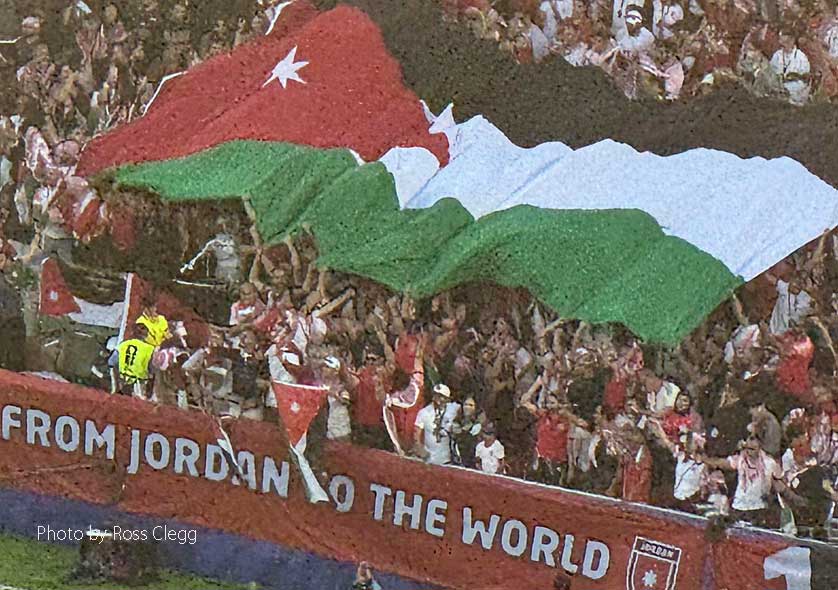
Jordan - Jordan's flag features horizontal bands of black, white, and green with a red triangle at the hoist bearing a white seven-pointed star.
Mexico - Mexico's national flag is a vertical tricolour of green, white, and red, with the national coat of arms centered on the white band.
Morocco - Morocco's flag is red with a green five-pointed star or pentagram centered on the field. The five points refer to the 5 pillars of Islam - the profession of faith (Shahada), prayer (Salah), almsgiving (Zakat), fasting in the month of Ramadan (Sawm), and pilgrimage to Mecca (Hadj).
Netherlands - The national flag of the Netherlands is a horizontal tricolour of red, white, and blue.
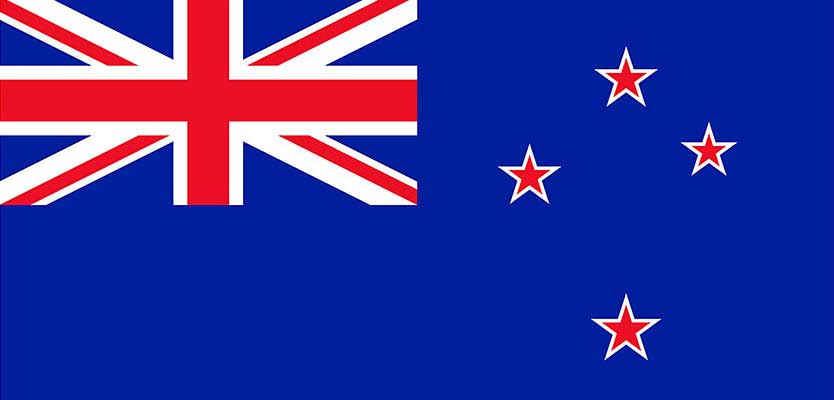
New Zealand - The flag of New Zealand features a blue field with the Union Jack in the canton and four red stars with white borders representing the Southern Cross. In 2016 New Zealanders voted on whether to change the current flag to another design - the Silver Fern - which had been selected by referendum from five designs a year earlier. Just under 57% of New Zealanders voted in a second referendum to retain the current flag, which was something of a surprise at the time.
Norway - The flag of Norway consists of a red field with a blue Nordic cross outlined in white.
Panama - The flag of Panama is quartered in white, red, and blue, featuring a blue star and a red star in the white quarters.
Paraguay - The flag of Paraguay is a horizontal tricolour of red, white, and blue, featuring the national coat of arms on the obverse and a different seal on the reverse.
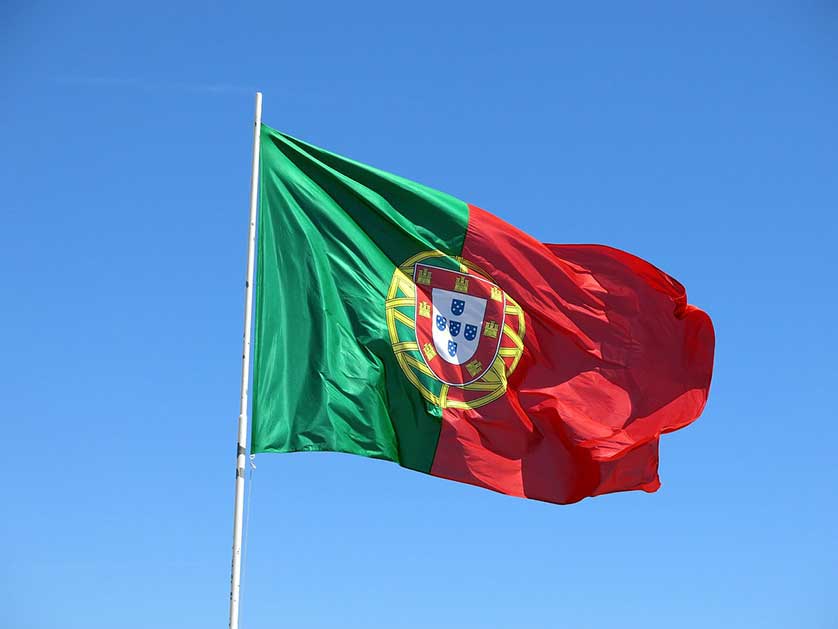
Portugal - Portugal's flag consists of vertical fields of green and red, with the national coat of arms set over an armillary sphere at the center. The red and green colors are associated with the Portuguese Republican Party, which overthrew the monarchy in 1910. The Portuguese Republican Party's associations of green (hope) and red (the blood of sacrifice) are entirely their own and have no real association with Portugal's previous symbols.
Qatar - Qatar's flag features a maroon field separated from a white band at the hoist by a serrated edge of nine points. The nine points (or nine white serrated triangles) on the flag of Qatar represent the country as the 9th member of the "reconciled Emirates" of the Arabian Gulf. This designation stems from the 1916 Qatari-British treaty, which formally made Qatar a British protectorate. The other eight members of this "Trucial Coast" convention included Abu Dhabi, Dubai, Sharjah, Ras al-Khaimah, Ajman, Umm al-Quwain, Fujairah, and Bahrain.
Saudi Arabia - The national flag of Saudi Arabia is green with white Arabic script (the Shahada; There is no god but God; Muhammad is the Messenger of God) above a white horizontal sword.
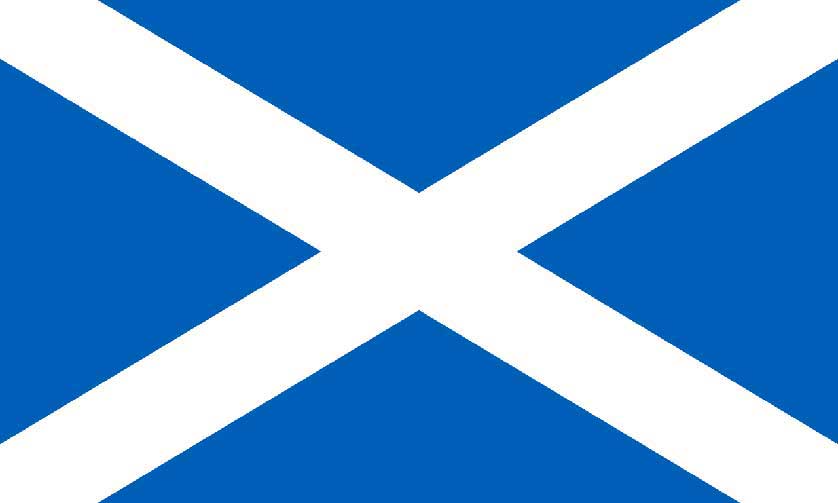
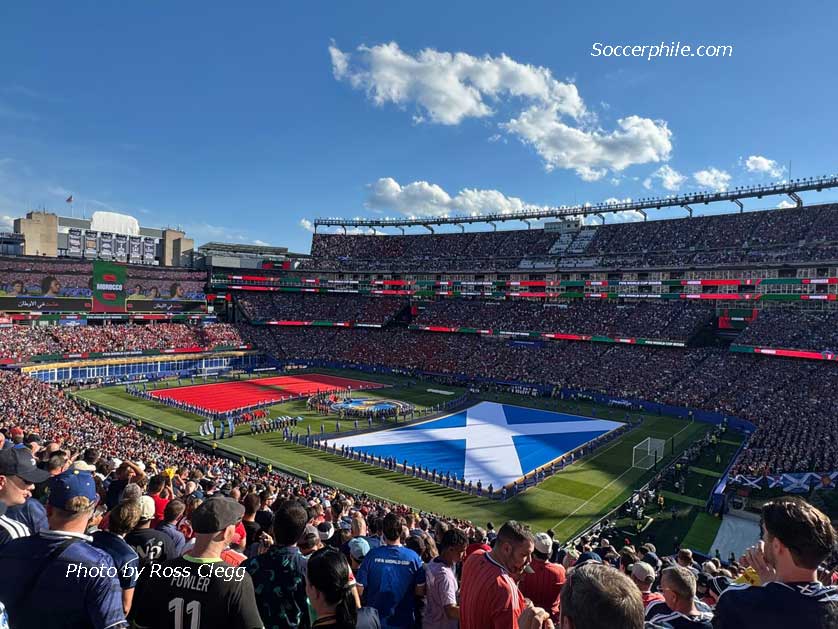
Scotland - The flag of Scotland, known as the Saltire, shows a white diagonal cross on a blue field. Saint Andrew is the patron saint of Scotland and is believed to have been crucified on a cross of a similar shape. The white cross on a royal blue background for the flag dates back to the 16th or 15th century. Earlier, however, Scottish soldiers fighting the English wore the emblem on their armour. The flag is one of the components that make up the Union Flag.
Senegal - Senegal's flag is a vertical tricolour of green, yellow, and red, with a green five-pointed star centered on the yellow band.
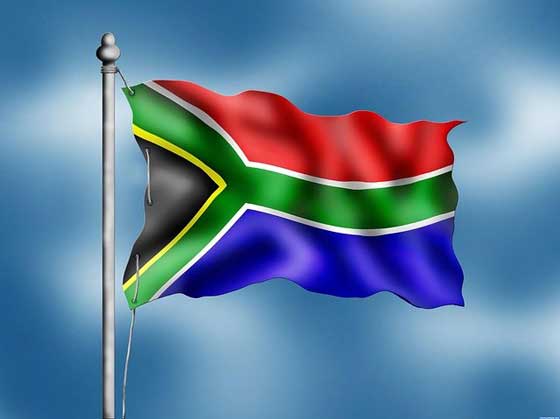
South Africa - The flag of South Africa displays a horizontal Y-shaped design in green, bordered by white and yellow, with black, red, and blue fields. The South African flag was adopted on April 27 1994 when majority rule was established in the country. The "Rainbow Flag" is the only flag in the world with six colors and was designed by Frederick Gordon Brownell, the former South African State Herald, who also designed the flag of Namibia in 1990. The "Y-shape" of the flag can be interpreted as the convergence of diverse elements within South African society, taking the road ahead in unity."
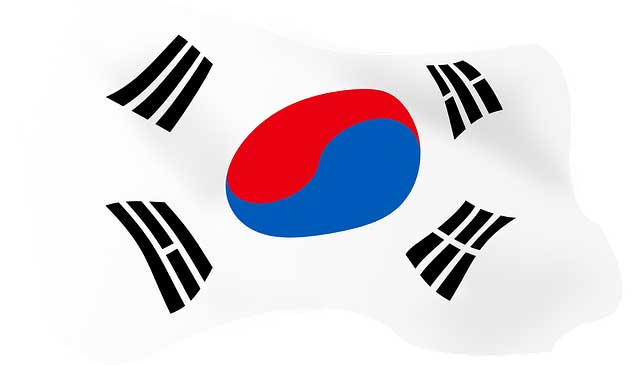
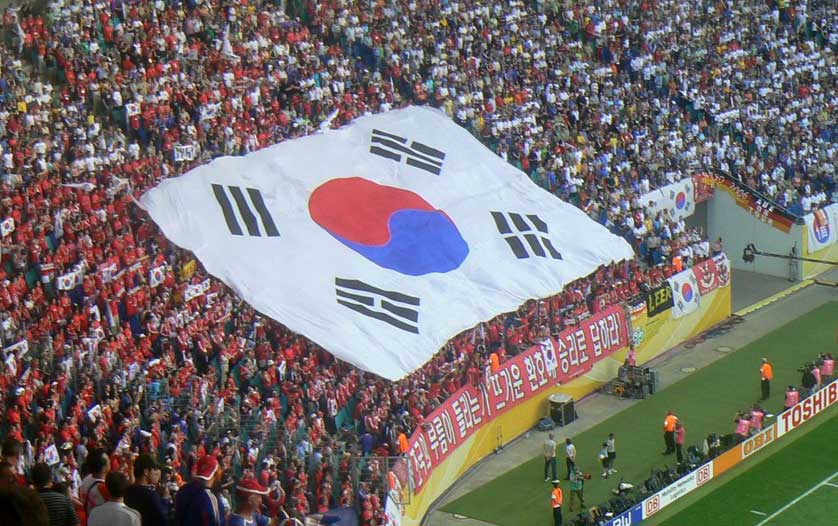
South Korea - South Korea's flag has a white field with a red and blue taegeuk at the center, flanked by four black trigrams. After an incident with a Japanese ship in 1872 and increased contact with other countries, the Korean government realized the need for a national symbol. The first flag was created in 1882 and over the years the design has varied. Banned during the Japanese occupation (1910-45), the present flag was created in 1948 for use by the South Korean government.
Spain - Spain's national flag consists of three horizontal bands of red, yellow, and red, with the national coat of arms positioned toward the hoist.
Sweden - The flag of Sweden features a blue field with a bold yellow Nordic cross that extends to the edges, its vertical bar shifted toward the hoist. The colors are traditionally associated with the nation's royal heritage and identity, and the cross reflects Sweden's historical connection to Christianity and Scandinavian culture.
Switzerland - The flag of Switzerland is square and features a white cross centered on a red field.
Tunisia - The national flag of Tunisia is red with a white circle centered on the field, containing a red crescent and five-pointed star representing the 5 pillars of Islam.
Turkey - The flag of Turkey known as Ay Yıldız "moon star" or Al Bayrak "red flag" features a red background with a white crescent moon and five-pointed star slightly off-center toward the hoist. The red symbolizes the nation's history and sacrifice, while the crescent and star are long-standing emblems associated with Turkish identity and heritage.
Uruguay - Uruguay’s national flag has nine horizontal white and blue stripes with the Sun of May in the upper hoist canton.
USA - The national flag of the United States, the 'Stars & Stripes' features thirteen horizontal red and white stripes and a blue canton bearing fifty white stars. The stripes represent the original 13 colonies, the stars represent the 50 states and the colors are also symbolic; red symbolizes hardiness and valor, white symbolizes purity and innocence, and blue represents vigilance, perseverance and justice. The flag is omnipresent in the country in schools, homes and shopping malls and prominent on holidays like Independence Day, Memorial Day, and Veterans Day.
Uzbekistan - The flag of Uzbekistan consists of horizontal bands of blue, white, and green, separated by thin red stripes, with a white crescent and twelve stars in the upper hoist.

World Cup Tickets
Buy tickets for World Cup 2026 from HelloTickets
FIFA World Cup 2026
Trionda - 2026 World Cup Official Ball - it's round
2026 World Cup Groups - all the groups from A to L
Coaches at World Cup 2026 - all 48 managers
World Cup 2026 Schedule - kick off times, venues
World Cup 2026 Draw - the draw deconstructed
World Cup 2026 Competing Teams' Home Stadiums - home is where the heart is
Team Captains World Cup 2026 - who wears the armband?
Team Jerseys World Cup 2026 - all the kits for '26
England's Group Stage Opponents
Who can win the World Cup? The major challenges facing the 48 teams heading to North America
Buy tickets for soccer matches around the world