
Stadion Rodeni, Mostar, Bosnia & Herzegovina
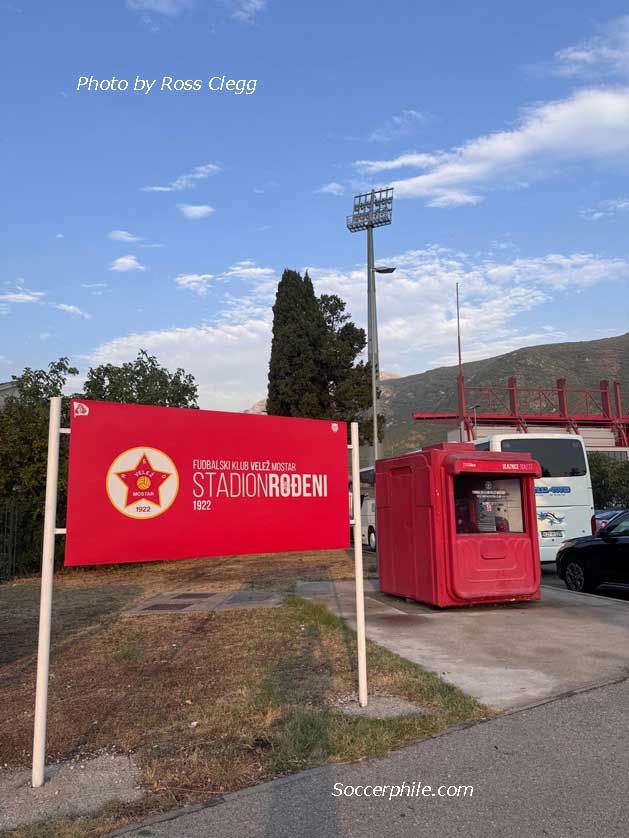
Stadion Rodeni (Rodeni Stadium) is the home ground of Bosnian Premier League club FK Velež Mostar.
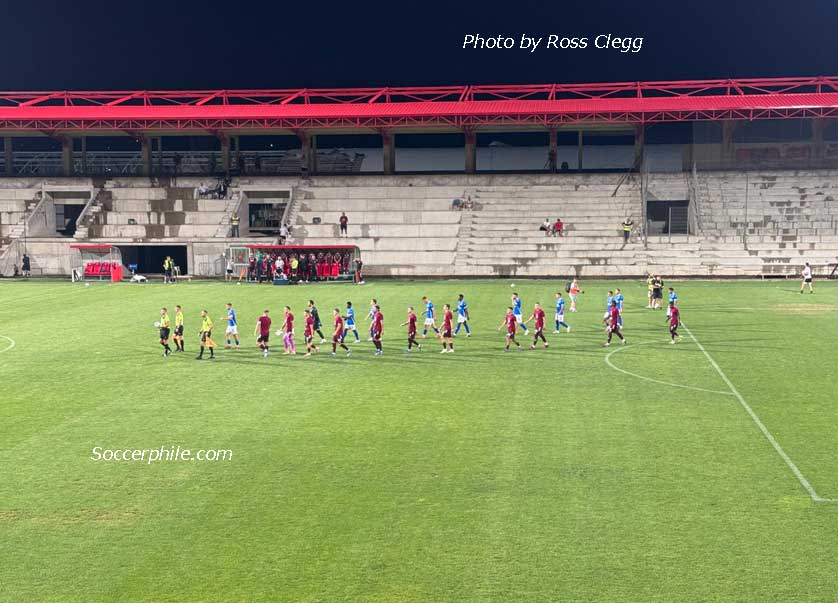
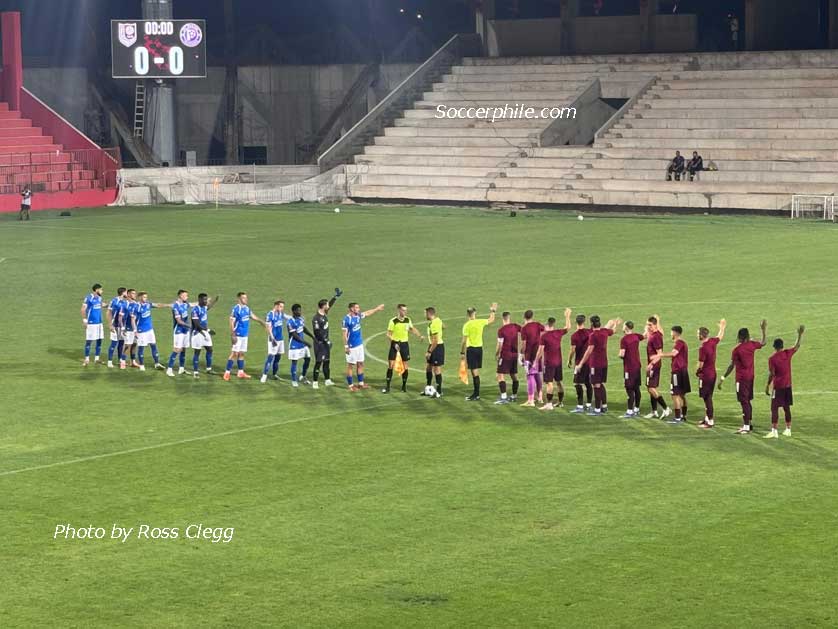
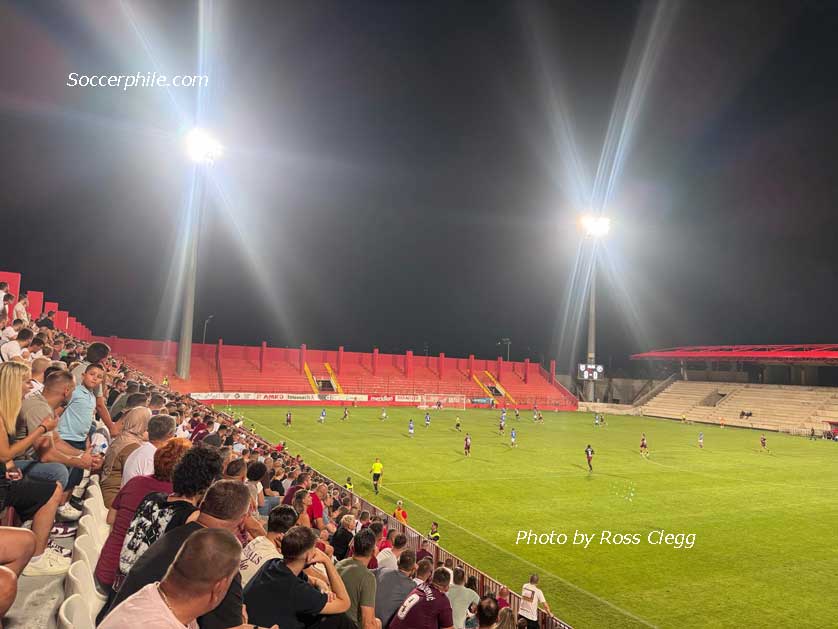
The 7,000 capacity stadium in the north of Mostar opened in 1995 and has been renovated and expanded on several occasions since in 2006, 2008, and again in 2020.
The name 'Rodeni' is the long-time nickname for the club and means "The Born Ones" or "Our Own".
Other stadiums in Bosnia and Herzegovina include the 15,000 capacity Bilino Polje Stadium in Zenica, which is the preferred venue of the national team, Banja Luka City Stadium and Grabavica Stadium in Sarajevo, the home of FK Željezničar.

The Club: FK Velež Mostar
FK Velež Mostar were founded in 1922. The club were a stable and respected fixture in the top-tier Yugoslav First League, known for playing attractive football, nurturing young talent, and winning two Yugoslav Cups (1980-81 and 1985-86).
Club legends include Dušan Bajević, the "Prince of the Neretva", Velez's all-time top scorer and Vahid Halilhodžić a prolific striker for Velež from 1971-1981 who later achieved massive fame as a high-profile global manager, with spells as the national team manager of Ivory Coast, Japan, Algeria and Morocco. The fan base is the Red Army Mostar - recognized as the oldest supporters' group in Bosnia and Herzegovina. The club boasts an intensely loyal following that treats the team as a cultural emblem of the city.
The local derby is against HŠK Zrinjski and dates back to 1922 making it the oldest major derby in the country. The derby pits the two major ethnic groups in the city against each other. Mostar is split by the Neretva River, with predominantly Catholic Croats living in the west and Muslim Bosniaks in the east. HŠK Zrinjski are the club of the Croats and play their home games at Bijeli Brijeg, which was once the home of Velez Mostar. Velež was forced to leave the stadium during the Bosnian War in 1992. Afterward, Zrinjski moved into the ground, intensifying long-standing resentment and grievances from Velež supporters. The derbies are marked by extreme partisan tension, territorial graffiti, and high security due to the lingering scars of the 1990s conflict.

The City: Mostar
Mostar is a historic city in Bosnia and Herzegovina, famous for its beautiful Old Bridge, which was built by the Ottomans in the 16th century. The city has a long and complex history and suffered significant damage during the Bosnian War in the 1990s, but many historic buildings have since been restored.
Today, Mostar's main industries include tourism, trade, construction and food production, with tourism playing an especially important role because of its cultural heritage and famous landmarks.
Access - Getting There
Mostar is fairly well connected to the rest of Bosnia and Herzegovina, although its mountainous landscape can make travel slower. It is linked by major roads and railways to both Sarajevo and Čapljina, while buses provide regular services to other parts of the country.
Address: Vrapčići bb, 88113 Mostar

The railway connection to Sarajevo is particularly useful and offers a scenic route through the mountains. Mostar also has an international airport, although it has fewer flights than Sarajevo.
Nearby Hotels
Mostar offers a small range of hotel and guesthouse options.
Some recommendations in the town include the Hotel Mepas with an indoor pool and a spa.
The Hotel Spa Olive features a sauna, indoor swimming pool, and terrace.
All photos by Ross Clegg
World Stadiums
Tosu Stadium (Ekimae Real Estate Stadium)
Estadio Nuevo Colombino Huelva
©Soccerphile.com
Buy tickets for soccer matches around the world