
Shiranami Stadium, Kagoshima
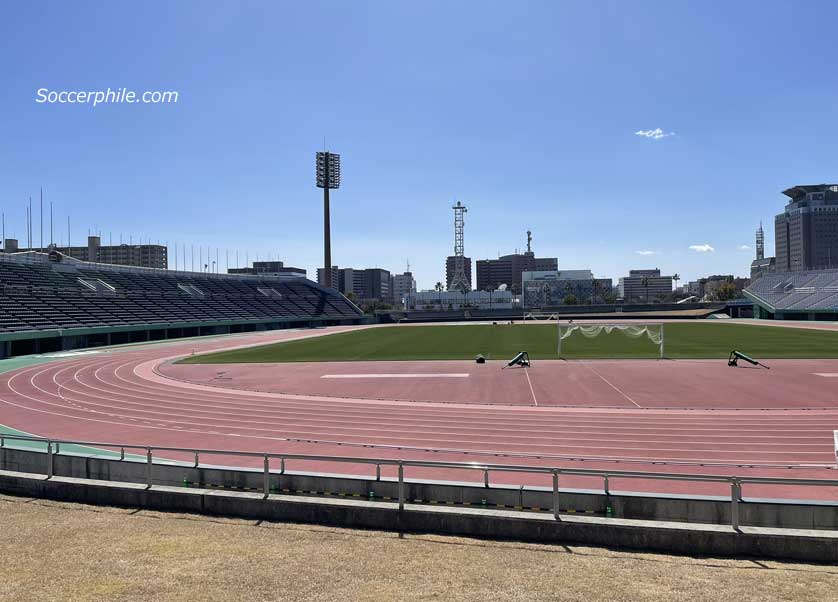
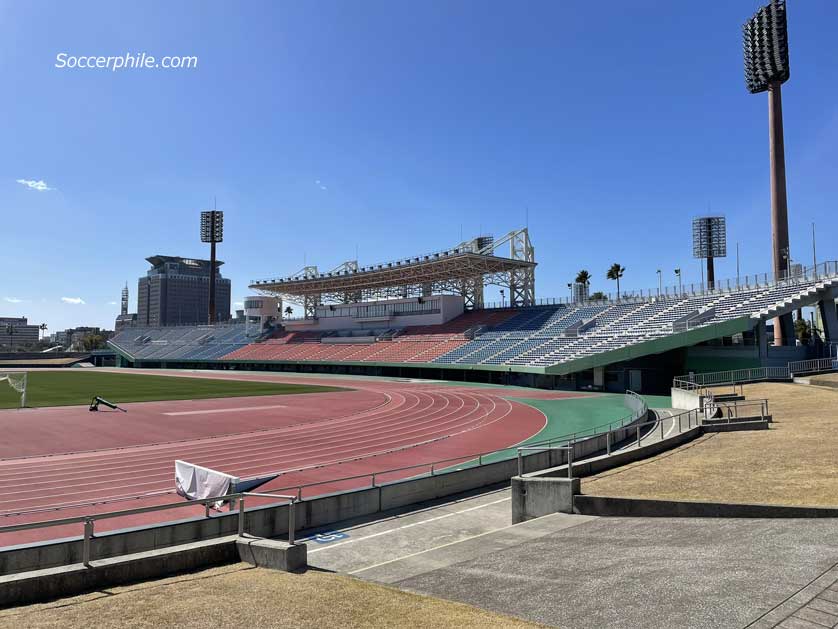
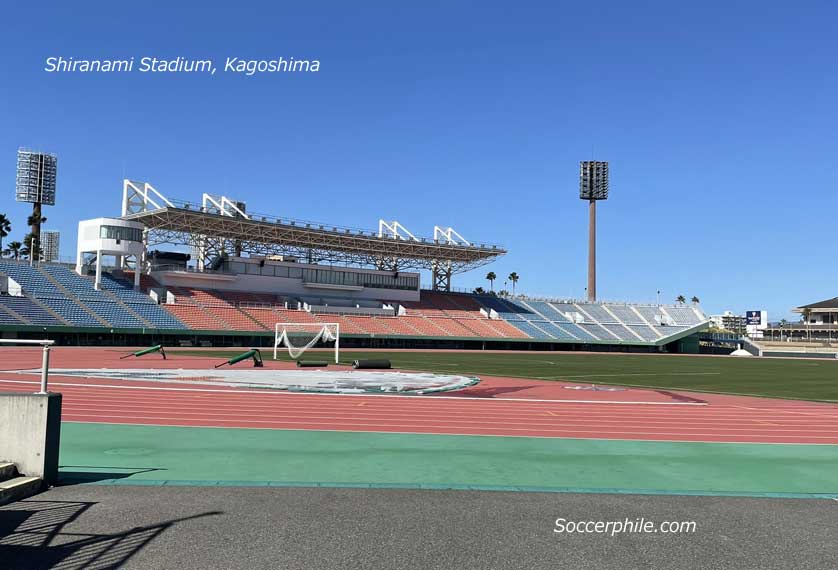
Shiranami Stadium (白波スタジアム) in Kagoshima city, Kagoshima Prefecture, Kyushu is the home ground of J.League club Kagoshima United.
What is the History & Capacity of Shiranami Stadium?
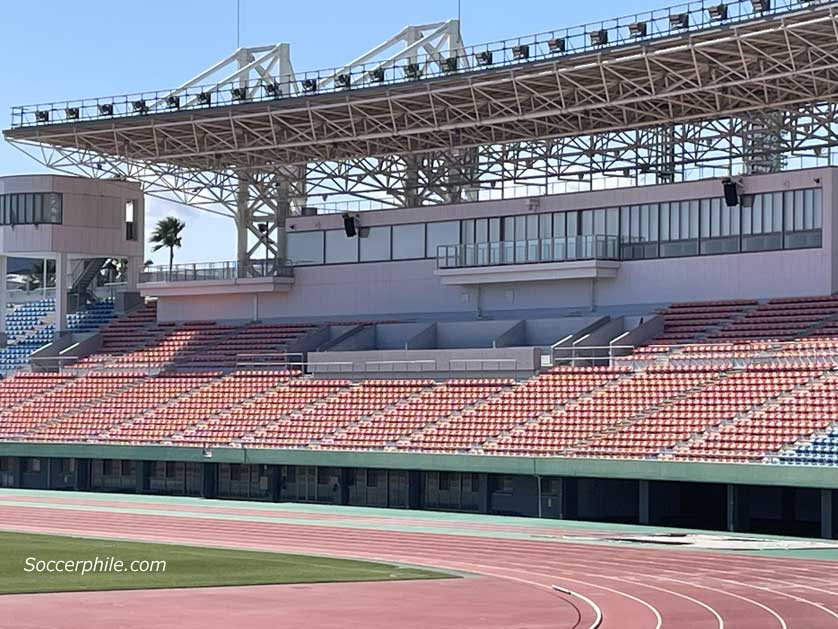
The 12,606 capacity ground opened in 1972. It is one of the most southerly stadiums in the J.League.
The stadium has been known as Shiranami Stadium for sponsorship reasons since 2018. Shiranami is a brand of shochu (distilled spirit) produced by Satsuma Shuzo based in Kagoshima Prefecture. Before that the stadium was called Kagoshima Kamoike Stadium.
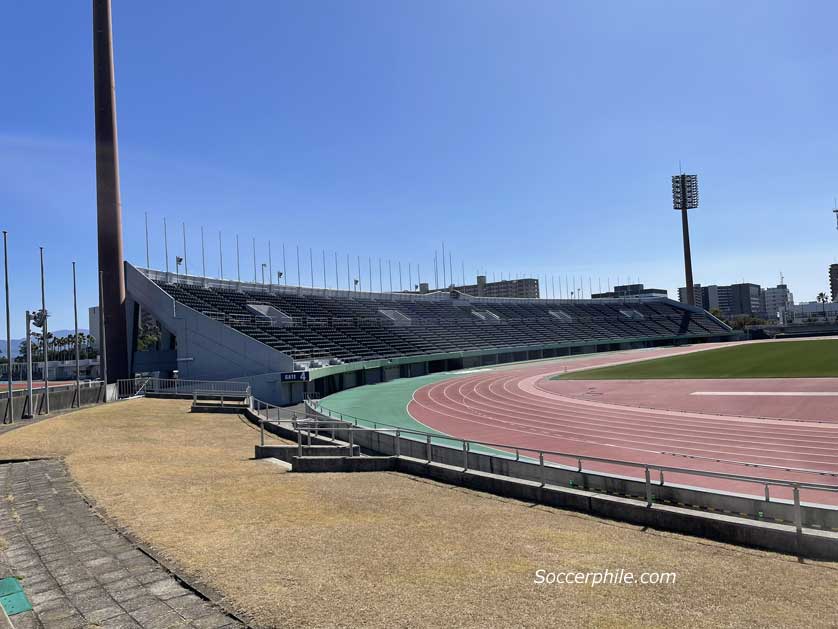
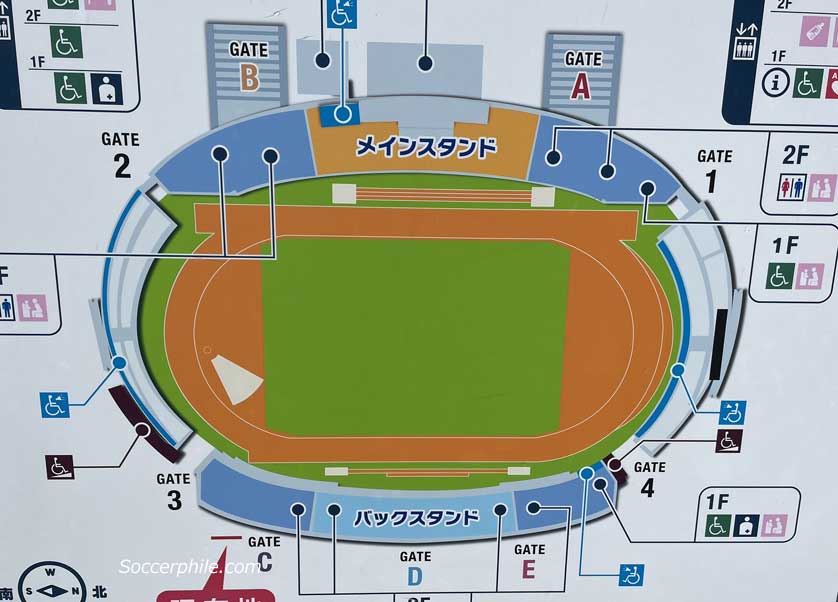
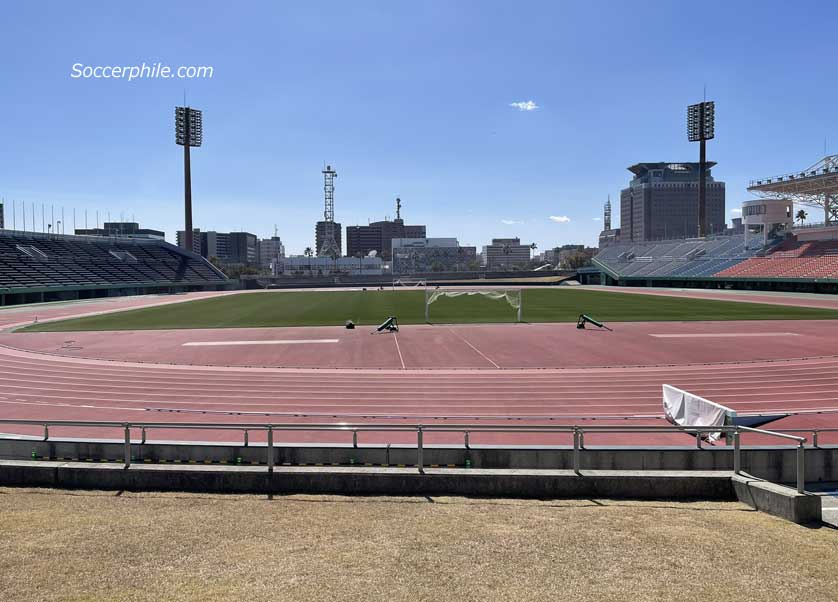
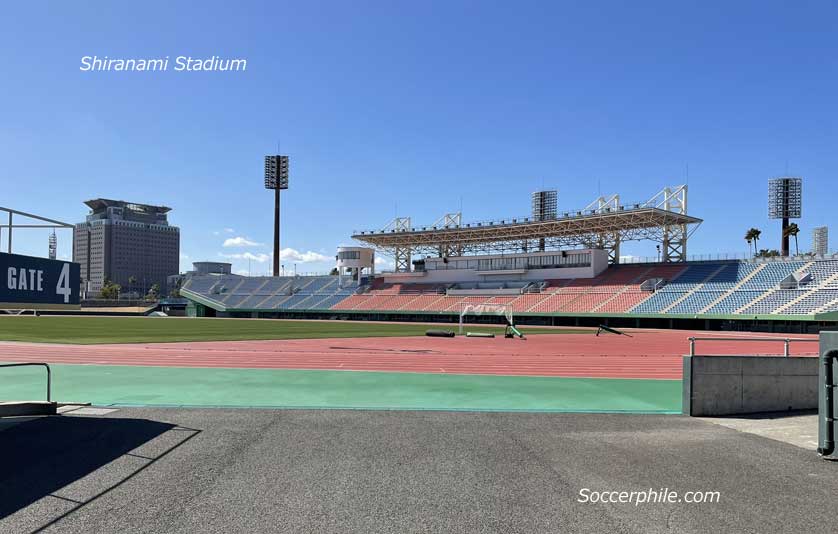
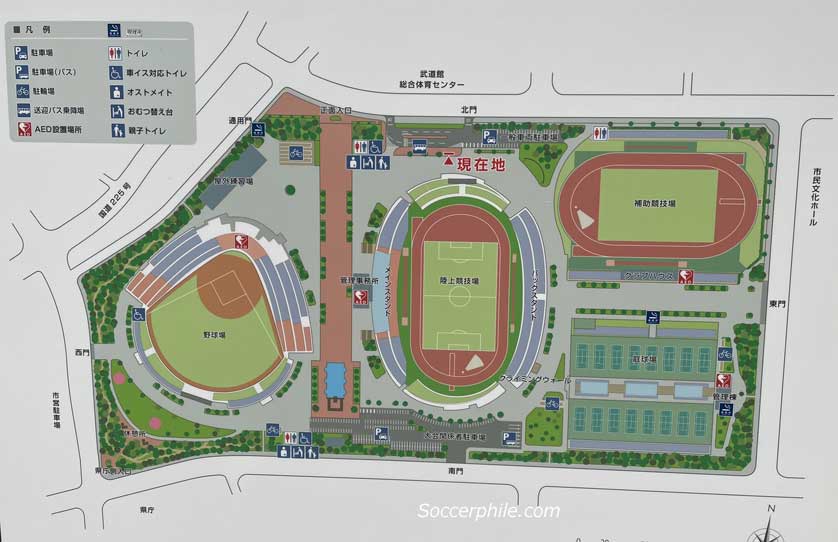
The stadium has a turf playing surface, a running track and only one partially-covered stand. The rest of the seating is exposed to the elements.
Back in the 2000s Kyoto Sanga played several 'home' games at the stadium. The reason was that Kyocera, the main sponsors of the Kansai club, had a factory in nearby Kokubu and the chairman of the company wished for matches to take place there.
Address: 2-2-2 Yojiro, Kagoshima City, Kagoshima Prefecture, 890-0062

Kagoshima United
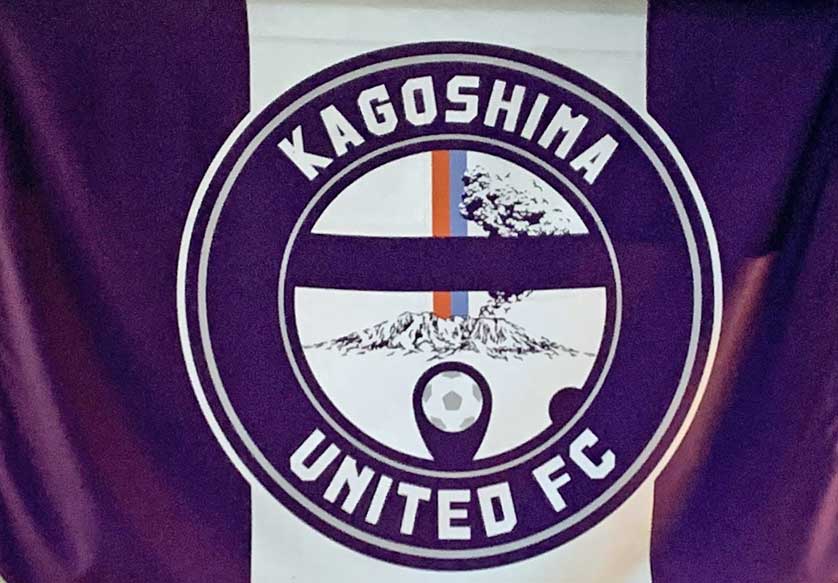
Kagoshima United has its roots in Kagoshima Teachers Soccer Club, a team for local teachers founded in 1959. They became Volca Kagoshima in 1995 and merged with FC Kagoshima in 2014 to create Kagoshima United.
The new club gained promotion to J2 in 2019 after five years in J3. The team were relegated back to J3 in their first season, returning in 2023 and again relegated back to the third tier of Japanese soccer after just one season.
The club's big rivalry is with Roasso Kumamoto with whom they contest the Hisatsu derby.
The current coach is Naoki Soma, former Kashima Antlers and Japan national team player.
How do You Get to Kagoshima By Public Transport? Access - Getting There
Kumamoto-chuo Station is the southerly terminus of the Kyushu Shinkansen with bullet trains to Kumamoto, Hakata (Fukuoka) and Shin-Osaka stations. There are also trains south to Ibusuki as well as services northeast to Hayato and Miyazaki and northwest to Kushikino.
Kagoshima Airport has flights to several destinations in Japan including the large cities of Tokyo, Osaka and Nagoya.
To reach the stadium take a number 16 bus from Tenmonkan. The nearest JR railway station is Korimoto.
Where Are Some Nearby Hotels in Kagoshima?
Most hotels in Kagoshima are in the Tenmonkan commercial district. These include the popular Lexton Hotel, the 3-star Koko Hotel and the quirky Henna Hotel Tenmonkan.
The 5-star Sheraton Kagoshima is also highly recommended. See a listing of hotels in Kagoshima.
Kagoshima - What Are Some Things To See & Do?
Kagoshima is an important place in Japanese history due to its strategic position at the southern tip of Kyushu. The region's proximity to Asia fostered early international exchange, particularly through trade with the Ryukyu Kingdom, shaping Japan's foreign relations with China.
It was here that the Christian missionary Francisco Xavier first landed in 1549 from Malacca.
As the seat of the powerful Satsuma Domain during the Edo period, Kagoshima became a center of political ambition and early modernization and industrialization.
It was home to transformative figures such as Saigō Takamori (1828-1877). Saigo was a key military leader in the Meiji Restoration that helped overthrow the Tokugawa shogunate and usher Japan into the modern era. He died as the 'Last Samurai' in a rebellion against a government he had helped create. Ōkubo Toshimichi (1830-1878) was a classmate of Saigo and one of the most influential statesmen of early modern Japan and another central figure of the Meiji Restoration.
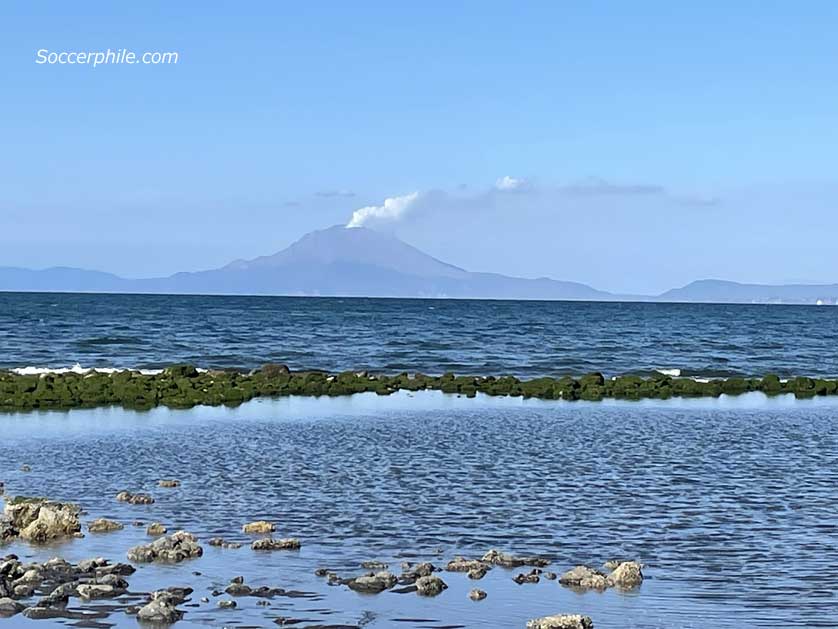
Sakurajima - The city's most iconic landmark, this active volcano rises dramatically across Kagoshima Bay. Visitors can take a ferry to explore lava trails, scenic viewpoints, and hot spring foot baths while witnessing one of Japan's most active volcanic sites.
Sengan-en - A beautiful traditional Japanese garden built in 1658 by the Shimazu clan. It features landscaped grounds with Sakurajima as a borrowed backdrop and includes a preserved samurai residence.
Shiroyama Park - Offers panoramic views of the city, Kagoshima Bay, and Sakurajima, this hilltop park is also historically significant as the site of the final battle of the Satsuma Rebellion in 1877 and the death of Saigo.
Kagoshima City Aquarium - Located along the waterfront, this modern aquarium showcases marine life from Kagoshima's seas, including whale sharks and coral reef ecosystems.
Kagoshima City Museum of Meiji Restoration - An engaging museum dedicated to the Meiji Restoration, highlighting local heroes like Saigō Takamori and Ōkubo Toshimichi through interactive exhibits.
Ibusuki Onsen - Famous for its unique natural sand baths, this nearby hot spring resort allows visitors to be buried in warm volcanic sand heated by geothermal activity.
What Are Some Famous J.League Stadiums?
©Soccerphile.com
Buy tickets for soccer matches around the world